
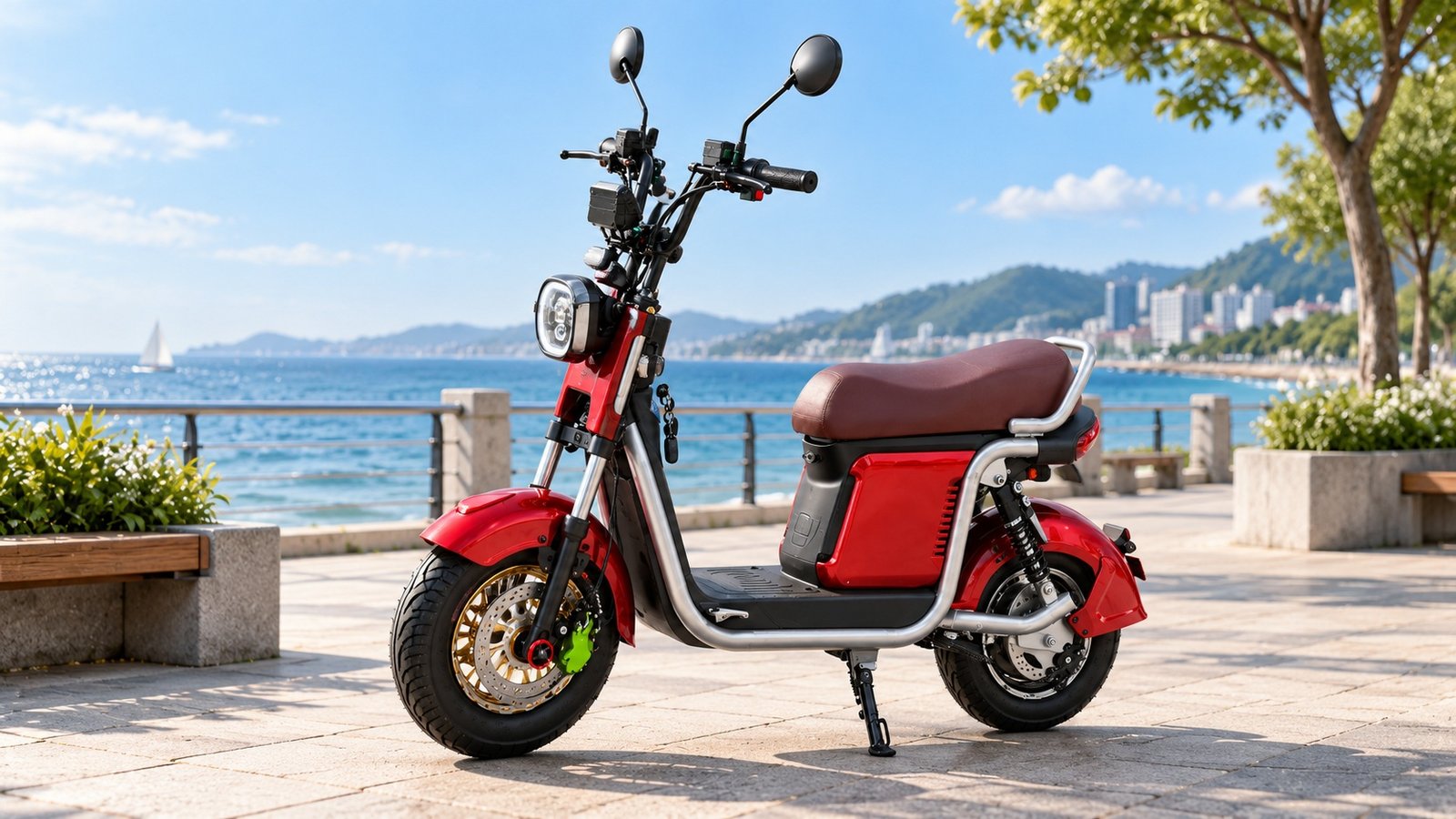
Urban electric scooters bring a practical product category to dealers serving everyday journeys. Customers considering a seated scooter may be thinking about a trip to work, a visit to local shops or a convenient way to travel between familiar destinations. Their questions often concern comfort, storage and charging just as much as appearance.
FALCON offers an electric scooter range that includes seated commuter designs with different layouts and equipment. For distributors and importers, these models provide several ways to build a city mobility offer around specific customer needs. A considered selection makes each vehicle easier to present, compare and support.
01 / Choose a scooter category your customers understand
The term electric scooter can describe different vehicles, including standing scooters and larger seated designs. Clear product descriptions help buyers recognize what they are viewing.
The models highlighted here are seated vehicles from the FALCON electric scooter collection. Across the range, individual listings show features such as front baskets, rear storage boxes, extended seats and backrests. Equipment varies by model and should be confirmed for the chosen configuration.
A dealer can make browsing more useful by showing a full side view, the seating arrangement and available storage. Include accurate dimensions and the intended use once confirmed. This gives customers a practical basis for comparing models and reduces confusion between very different kinds of scooter.
02 / Put comfort at the center of the showroom conversation
A vehicle used regularly should fit the person who rides it. Seat shape, handlebar reach and the position of the rider’s feet can influence how comfortable a scooter feels.
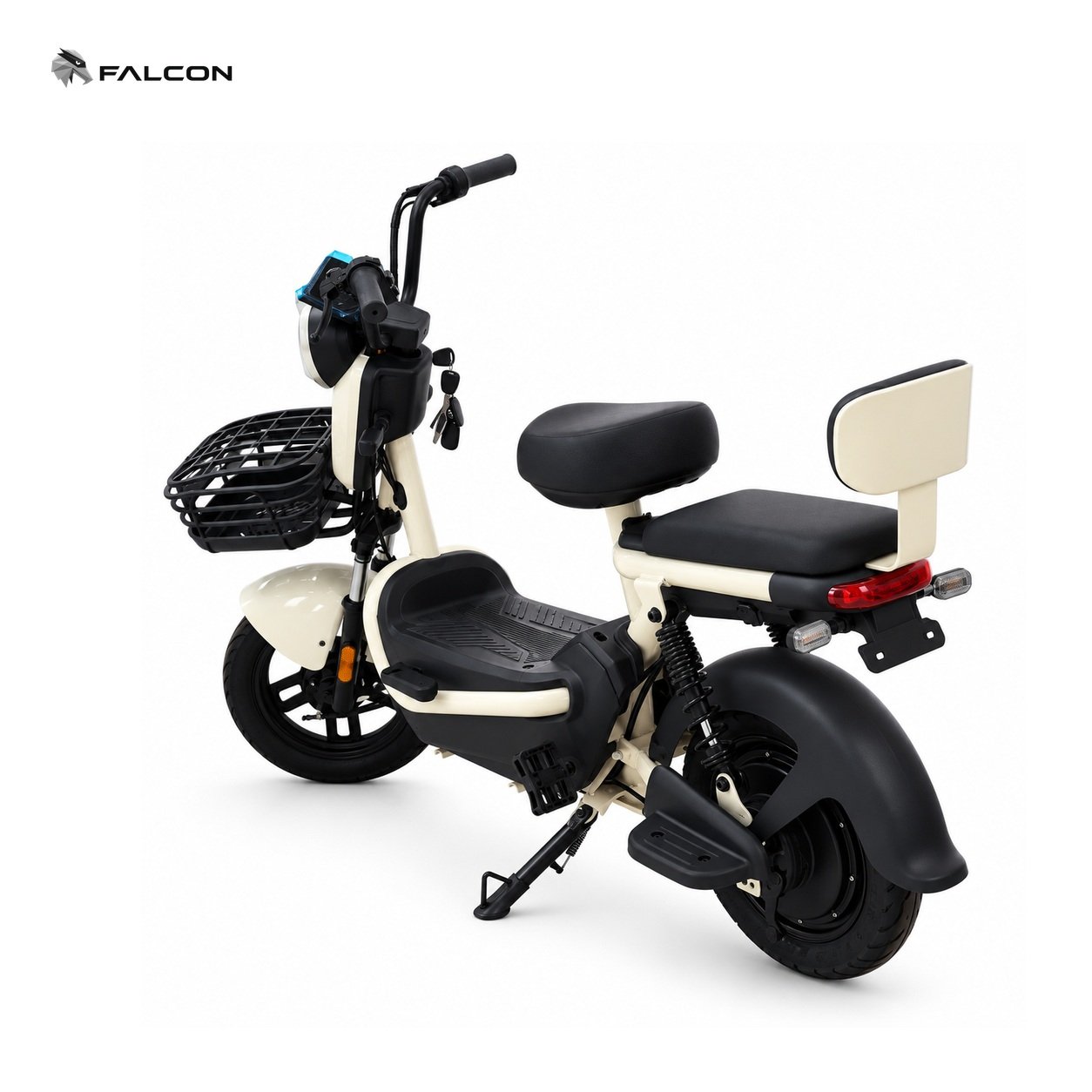
Consider the FALCON ZR-CP035 cream commuter scooter, listed with a dual seat, front basket and rear backrest. Its layout gives dealers concrete features to show when discussing everyday convenience.
During a product evaluation, check riding position, handlebar reach and how easily the scooter can be maneuvered while parking. Review the rated load and intended seating arrangement alongside the dimensions. These details help match the scooter to the rider and the way it will be used.
These details help a salesperson move beyond color preferences and explain whether the vehicle fits the customer’s routine.
03 / Show how storage changes everyday usefulness
Storage can make a scooter easier to connect with a recognizable use case. A customer carrying small personal items may value a front basket. Another may prefer a rear box that keeps belongings together.
The FALCON ZR-CP037 red urban scooter is listed with a front basket, windshield and rear cargo box. Those visible features give a dealer a different presentation from a simpler commuter design.
When comparing storage options, look at mounting security, access and the specified loading limits. Confirm which accessories are included in the quoted configuration. Photographs showing a basket or box should match the vehicle supplied.
For a product page, explain the storage arrangement in ordinary language and include a close photograph. Buyers can then see the feature that supports the description.
04 / Discuss charging in the context of a real routine
Before choosing a scooter, establish where and when it will be charged. A daily commuter with a suitable overnight charging location has different practical requirements from someone who cannot charge near their parking space.
Compare the confirmed battery type, capacity, compatible charger and charging instructions for each model. Battery access and removal arrangements also need to be checked; do not assume every seated scooter has a removable pack.
Quoted range should be presented with its test conditions. Rider load, speed, gradients and temperature can change the distance achieved in use. For an importer evaluating samples, recording a representative route and operating conditions can produce more useful comparisons.
This information helps dealers set realistic expectations and explain how a particular configuration could fit a customer’s travel pattern.
05 / Build a focused range with clear differences
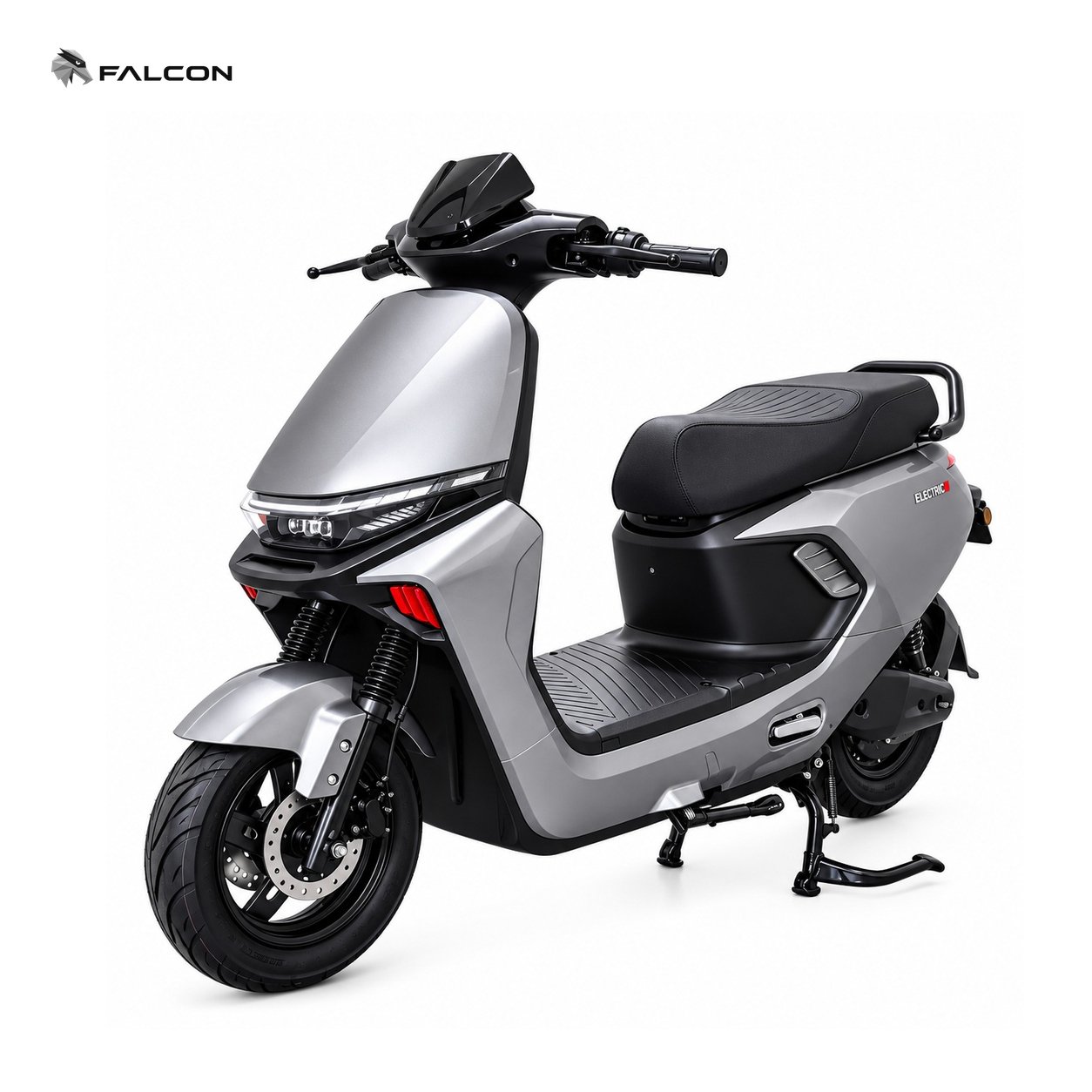
A compact display works best when each model has a clear role. Alongside basket-equipped designs, the FALCON ZR-CP046 silver commuter scooter offers another look, with a wide seat and front disc brake identified in its listing. It gives dealers a concrete model to compare on seating, body shape and equipment.
For example, a dealer might shortlist a straightforward commuter design, a model with more storage and another with a different seating layout. The final selection should reflect local demand, budget and the configurations available.
Keep the comparison consistent. Use the same fields for dimensions, vehicle weight, battery specification, braking equipment, included accessories and intended use. Where a specification is unresolved, obtain confirmation before making it part of a sales claim.
Product photographs should also work together. A consistent main view helps customers compare shapes, while detail images can explain the features that distinguish one model from another.
06 / Prepare a scooter offer your business can support
A successful launch includes the information that customers need after purchase. Discuss service documentation, replacement components and the support arrangements available for the selected scooter.
Before ordering, clarify assembly requirements and inspect a sample or the agreed product evidence. Establish how your team will identify batteries, chargers, brake parts and other model-specific components. Confirm commercial terms, packaging details and responsibilities for the shipment.
The intended destination also matters. Request the documents needed to assess the exact vehicle configuration for your market. A commuter appearance, lighting equipment or a product category name does not by itself establish permission for road use.
FALCON’s B2B inquiry process gives importers and dealers a way to bring these questions into the product discussion before selecting a final order configuration.
07 / Discuss your urban scooter range with FALCON
For businesses introducing a new scooter category or refreshing an existing selection, FALCON offers seated urban models with different approaches to comfort, storage and visual style. Our OEM and ODM options also provide a route to discuss available branding and configuration choices for a defined project.
Start with your target customer and the journeys you want the product to serve. Identify the models that look relevant, then compare their confirmed specifications and commercial requirements.
Request an electric scooter quotation from FALCON with your company name, target market, preferred models and estimated order quantity. Add your priorities for seating, storage, battery configuration and branding so the next discussion can focus on the scooter range your business wants to build.