
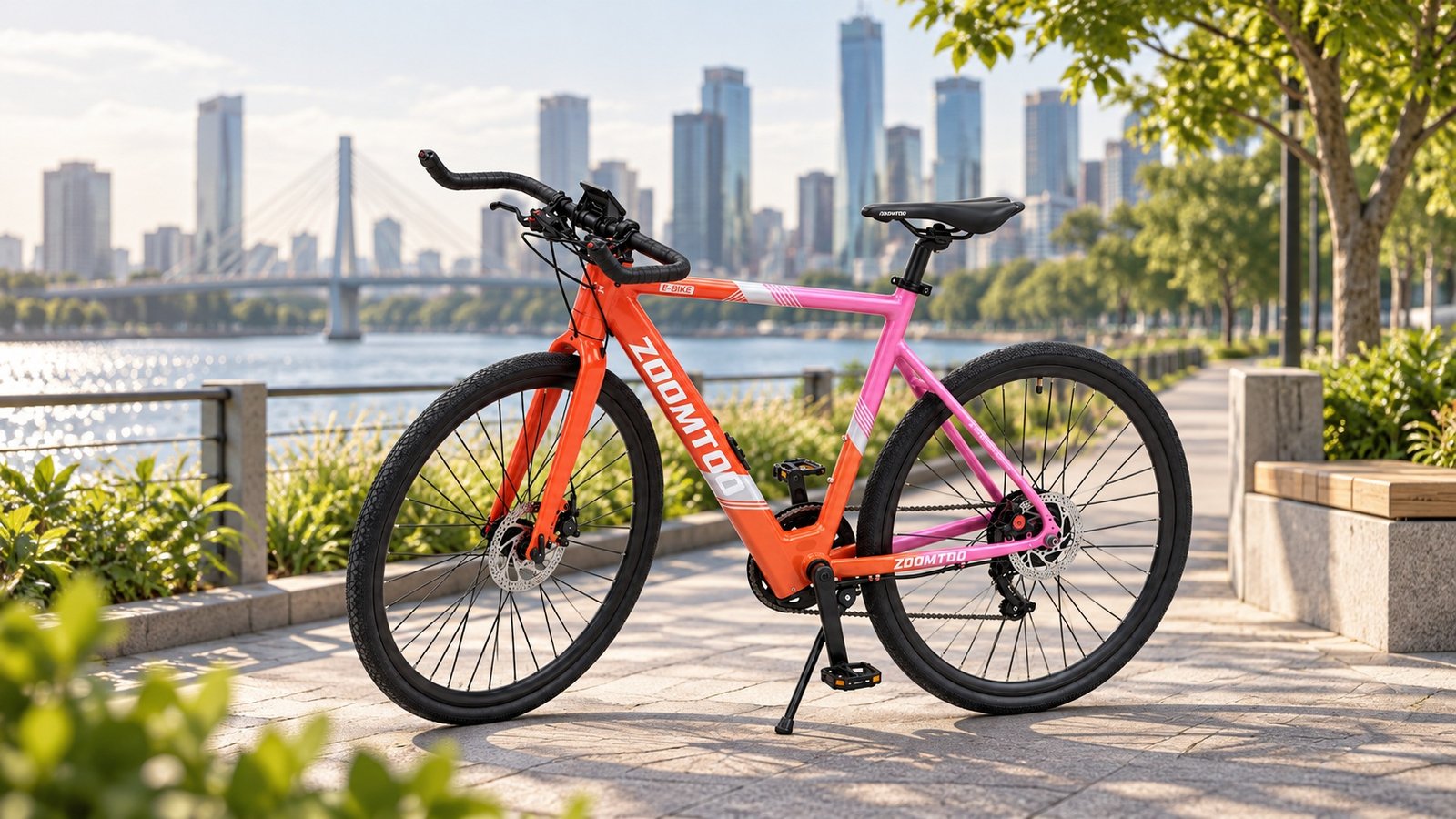
Electric mountain bikes can turn a product display into a conversation about where customers want to ride next. One shopper imagines weekend outings on suitable country paths. Another wants a bicycle for weekday travel and relaxed rides outside town. For a distributor or dealer, those different expectations create an opportunity to build a clearly positioned electric bicycle range.
FALCON offers electric mountain bike models alongside commuter e-bikes, folding electric bikes, electric motorcycles, and scooters. Our mountain bike range gives buyers several starting points for a focused retail collection, with product selection and available customization discussed around the intended market.
01 / Start with the Ride Your Customers Have in Mind
A useful mountain e-bike collection begins with the customer’s route. Ask whether the typical ride involves paved streets, gravel paths, rolling countryside, or more demanding terrain. Then consider riding experience, fit, storage, and the way the bicycle will be used during the week.
For example, a suburban bicycle shop might target customers who want everyday versatility and occasional recreational rides. A specialist outdoor retailer may have more detailed requirements for handling, suspension, and component selection.
These are different buying conversations. Define the intended use before selecting a model, and confirm suitability for the actual riding conditions. A mountain-style frame or wide tire alone does not establish that a bicycle is suitable for technical trails, jumps, or downhill riding.
02 / Explore Two FALCON Electric Mountain Bike Styles
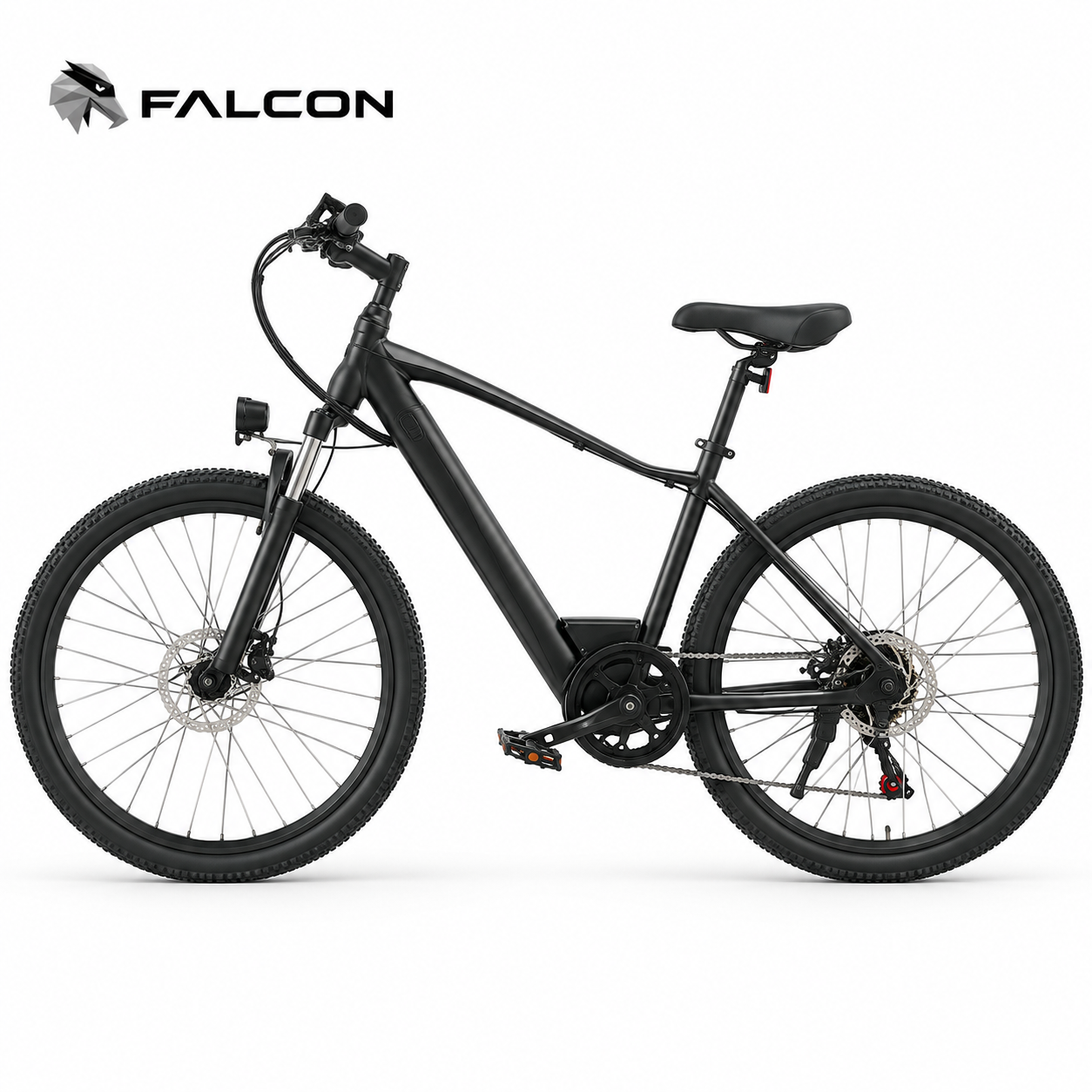
The FALCON ZTM101 electric mountain bike is presented for commuting, leisure, and light off-road use. Its product page identifies front suspension and front and rear disc brakes. Its conventional mountain bike appearance offers dealers a straightforward starting point for customers who want a familiar bicycle format with electric assistance.
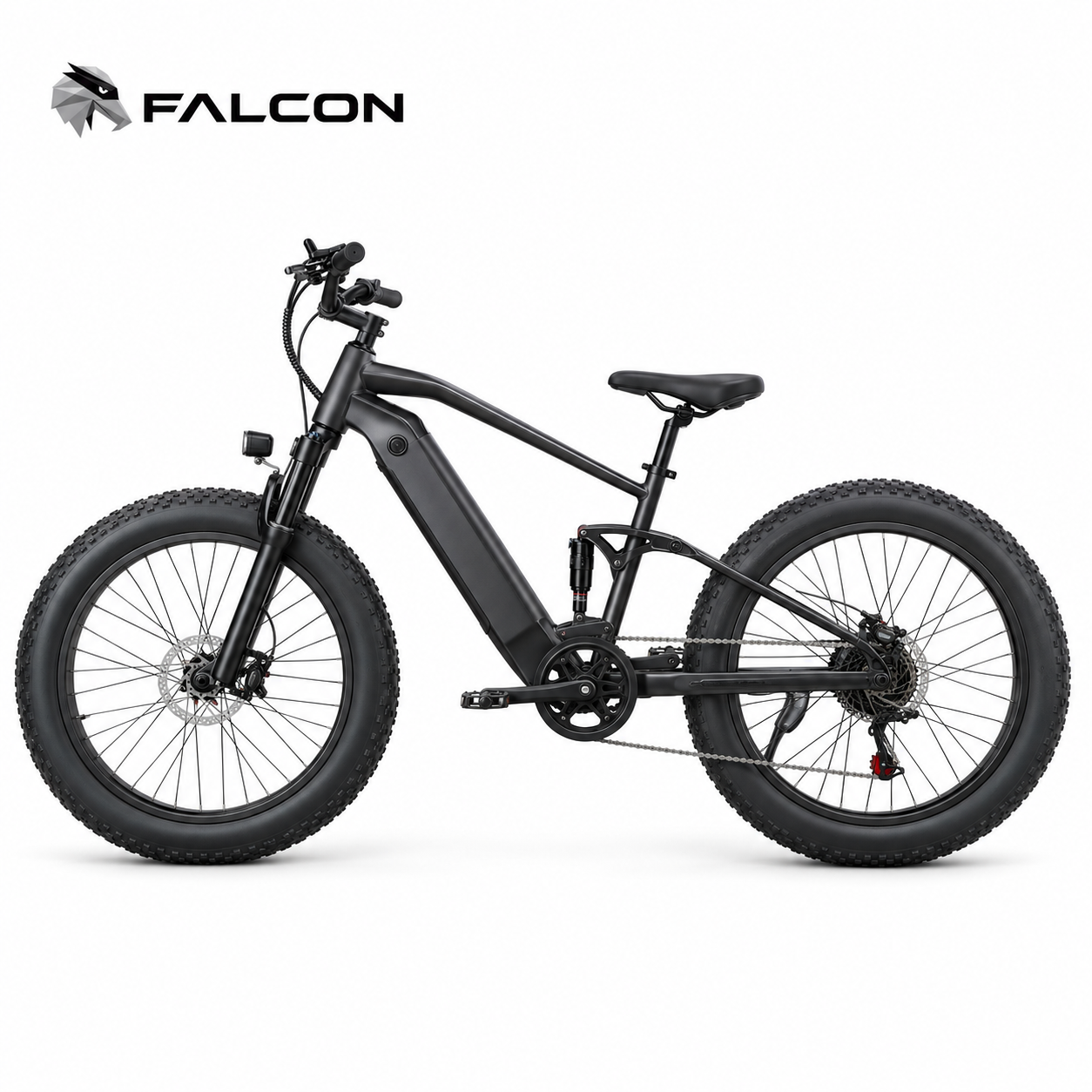
The FALCON ZT-F1pro fat tire electric mountain bike takes a different visual direction, with wide tires, full suspension, and disc brakes. FALCON positions it for city commuting, recreation, and light off-road riding.
Displaying these models together creates a useful comparison. Customers can discuss riding position, tire format, suspension layout, and their intended routes. Dealers can then explain why one configuration may suit a particular buyer better. Use the current specification sheet and a sample evaluation to turn that discussion into a confident recommendation.
03 / Turn Specifications into Clear Reasons to Buy
A specification becomes more useful when the customer understands how it relates to ownership. Organize your model comparison around questions people actually ask.
For the electric system, explain the available assistance settings, display functions, and charging arrangements for the confirmed configuration. For the bicycle itself, show the frame dimensions, brake type, gearing, suspension, and tire dimensions. For practical ownership, establish the assembled weight, battery access, and storage requirements.
Treat any range figure as a stated estimate with conditions attached. Ask how it was measured, including assistance level, rider weight, terrain, and test speed. This gives your sales team a credible way to discuss battery expectations without presenting one number as a promise for every customer.
A concise comparison sheet can make these differences easier to explain in a showroom or online inquiry.
04 / Build a Focused Electric Bicycle Collection
An electric mountain bike can be the outdoor-oriented part of a broader dealer range. The other models should serve clearly different needs.
One possible starting collection includes a mountain e-bike for recreational customers, a city bicycle for everyday travel, and a folding model for shoppers who prioritize storage flexibility. FALCON’s city and commuter e-bikes and folding electric bikes provide categories to explore alongside the mountain range.
This is a suggested merchandising approach, not a fixed product package. The right mix depends on your customers and sales channel. Start with a manageable selection, record which questions buyers ask, and use that feedback when discussing future orders. Each model should have a clear purpose in the collection.
05 / Make the Sample Part of Your Sales Preparation
A sample is an opportunity to develop your sales presentation as well as evaluate the product. Let the people who will answer customer inquiries examine the bicycle, review its controls, and practice explaining its features.
Photograph the complete bike, the cockpit, brake components, suspension, battery area, and details customers often ask to see. Prepare a short model guide using the exact configuration you plan to sell. Include dimensions and fit information once confirmed.
Also review assembly instructions, the parts list, and the process for requesting replacement components. Agree on after-sales responsibilities before placing an order.
This preparation gives a dealer more useful sales material than a collection of headline specifications. It also helps an importer identify questions while the order configuration is still being discussed.
06 / Develop Your Product Identity with FALCON
For businesses building a private-label range, visual identity should connect the bicycle, packaging, and customer-facing materials. A consistent presentation helps buyers understand which products belong to your collection.
FALCON’s OEM/ODM program covers discussions about approved branding, model naming, available colors, product configurations, and packaging. The published workflow begins with requirements review, followed by configuration confirmation, order and production coordination, and inspection and shipment handover.
Available choices depend on the selected model and project. Bring your priorities into the first conversation: the type of customer, intended use, target price position, branding direction, and expected quantity. Agree on the configuration before creating final sales materials so that the product shown matches the product being ordered.
07 / Request an Electric Mountain Bike Proposal for Your Market
Whether you are adding your first electric mountain bike or expanding an established bicycle business, start with a clear commercial brief. Tell FALCON where you sell, who your customers are, which models interest you, and the estimated order quantity.
Contact FALCON to discuss electric mountain bikes and wholesale requirements. Include your company name, work email, target market, and any branding or packaging needs. Request current model specifications, available configurations, sample arrangements, and a quotation matched to your project. That information creates a practical starting point for a product range your team can explain and your customers can understand.