
The EV bicycle market is attracting attention from commuters, outdoor enthusiasts, retailers and mobility businesses looking for practical electric transportation solutions. From urban commuter bicycles to electric mountain bikes, folding models and cargo e-bikes, the industry serves a wide range of users and commercial applications. For manufacturers, distributors and importers, understanding these segments is essential for identifying demand, selecting suitable products and building a sustainable business.
This article examines the main factors influencing the EV bicycle market, the product categories shaping demand, regional opportunities and the sourcing considerations that matter to businesses entering the electric bicycle industry.
01 / Understanding the EV Bicycle Market
The term EV bicycle generally refers to a bicycle powered or assisted by an electric motor and rechargeable battery. Depending on the market, it may include pedal-assist bicycles, certain throttle-assisted models and specialized electric bicycles designed for commuting, recreation or cargo transportation.
Product definitions vary by country. Motor output, assisted speed, throttle operation and whether pedaling is required can affect a vehicle’s legal classification. Businesses should therefore distinguish electric bicycles from electric motorcycles and other electric two-wheelers when evaluating market data or preparing products for export.
The broader transition toward electric mobility provides useful context for this industry. According to the International Energy Agency’s Global EV Outlook 2026, global sales of electric two- and three-wheelers reached approximately 11 million in 2025. However, that particular statistic excludes electric-assisted bicycles and certain low-speed vehicles, so it should not be presented as the sales total for the EV bicycle market.
For businesses, the key opportunity is not simply that electric transportation is becoming more visible. It is that different customers need different combinations of price, comfort, range, handling, carrying capacity and after-sales support.
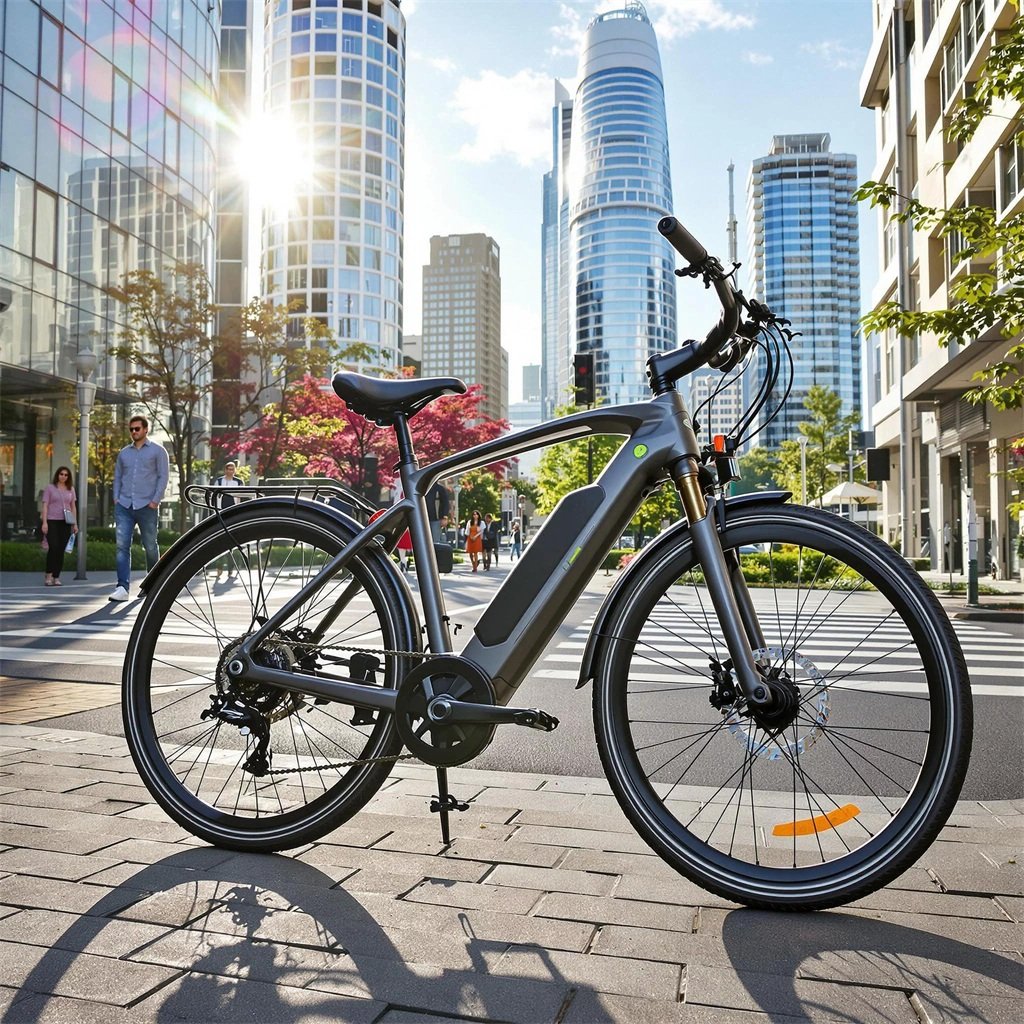
02 / Key Factors Driving EV Bicycle Market Growth
Demand for practical everyday transportation
Electric bicycles can help riders manage longer commutes, moderate hills and daily journeys that may otherwise require more physical effort. Pedal assistance allows users to choose how much effort they contribute, making e-bikes relevant to a variety of fitness levels and travel patterns.
For urban users, useful product features may include practical battery capacity, dependable brakes, integrated lighting, comfortable riding positions and convenient storage. Buyers do not necessarily need the highest motor output. They need a bicycle suited to their route and local regulations.
Interest in outdoor recreation and active lifestyles
Electric mountain bikes and other recreational e-bikes extend the range of activities available to riders. Assistance can make climbs more manageable and support longer outings, while frame geometry, tires, suspension and braking equipment remain important to the riding experience.
This creates opportunities for businesses serving outdoor retailers, cycling specialists and recreational customers. Product positioning should explain the intended terrain and rider rather than treating every electric bicycle as suitable for every off-road condition.
Improvements in product configuration
Battery integration, display systems, motor control and frame design influence how an electric bicycle performs in everyday use. Folding structures, cargo accessories and different tire formats also help manufacturers address distinct customer needs.
For distributors, the commercial question is which improvements customers value enough to justify the price. A well-defined product range with clear differences between models is often easier to sell and support than a collection of similar bicycles with confusing specifications.
Growing interest in fleet and commercial applications
Delivery businesses, rental operators and other organizations may use electric bicycles where the vehicle is appropriate for the route, load and operating conditions. These buyers often evaluate durability, charging arrangements, replacement parts and service availability alongside purchase price.
Fleet enquiries also create different requirements from individual retail purchases. Buyers may need multiple units, consistent configurations, replacement components and a defined maintenance process. Suppliers that can discuss these needs clearly are better positioned to develop long-term business relationships.
03 / Major EV Bicycle Market Segments
| Product segment | Typical application | Important selection factors |
|---|---|---|
| City and commuter e-bikes | Daily travel and urban transportation | Comfort, practical range, lighting and ease of use |
| Electric mountain bikes | Recreational riding and suitable trails | Frame geometry, suspension, brakes and terrain suitability |
| Fat tire electric bicycles | Selected recreational and mixed-surface applications | Tire design, handling, weight and intended riding conditions |
| Folding electric bicycles | Compact storage and combined transport journeys | Folded dimensions, carrying weight and folding mechanism |
| Electric cargo bicycles | Local delivery and carrying everyday loads | Load limits, stability, braking and cargo configuration |
| Specialized electric bicycles | Specific recreational or commercial requirements | Application, service needs and local compliance |
These segments should be treated as separate product propositions. A commuter values convenient daily operation, while an outdoor rider may prioritize handling and suspension. A commercial buyer may place greater emphasis on serviceability, operating costs and component availability.
For wholesalers, segment selection should follow evidence from the intended market. Review retailer enquiries, local price expectations, competing vehicle categories and the practical availability of spare parts before committing to a large initial order.
04 / Regional Opportunities in the EV Bicycle Industry
Europe: commuter mobility and recreational cycling
European markets include established cycling cultures and customers who use electric bicycles for commuting, leisure and outdoor activities. Opportunities differ considerably between countries and even between urban and rural areas.
Importers should investigate local product classification, assisted-speed limits, battery requirements, consumer protection rules and any applicable conformity obligations. A model suitable for one market should not automatically be assumed to qualify for sale in another.
North America: recreational and utility applications
Potential demand includes commuting, leisure riding, trail-oriented products where permitted and practical utility bicycles. Product positioning should reflect the intended rider, terrain and local legal classification.
Dealers and importers should evaluate the complete landed cost, warranty arrangements and the availability of service components. For higher-powered products, confirm the relevant vehicle category and permitted riding locations before selecting a configuration.
Southeast Asia: varied transportation needs
Southeast Asian countries offer different transportation patterns, purchasing conditions and regulatory environments. However, statistics for electric motorcycles and scooters should not be treated as direct measurements of pedal-assist e-bike demand.
Businesses considering the region should assess the target customer, common journey length, climate, charging arrangements, local assembly possibilities and the price position of the proposed bicycle. Local market research is more useful than assuming every country has the same adoption pattern.
Other emerging markets: affordability and distribution
In emerging markets, the commercial opportunity may depend on a combination of purchase affordability, maintenance access and distribution coverage. Retailers need products that match local budgets without creating unreasonable service or warranty burdens.
Before entering a market, evaluate import duties, taxes, product approval requirements, transport costs and the ability to obtain replacement parts. Incentives and local assembly benefits should be verified with the relevant authorities rather than assumed in a business plan.
05 / Challenges That Businesses Need to Address
Market potential alone does not guarantee a profitable electric bicycle business. Product quality, customer expectations, regulatory compliance and after-sales service all influence long-term performance.
Battery and electrical safety: Establish traceable component specifications, approved charging arrangements and clear inspection procedures. Requirements may differ according to the destination market and intended product category.
Price competition: Compare products on a consistent basis, including the battery, charger, packaging, freight, taxes and warranty obligations. The lowest quoted unit price may not represent the lowest overall cost.
Regulatory differences: Confirm the applicable rules for motor assistance, speed, equipment, labeling and product documentation. Avoid making universal compliance claims without supporting evidence.
After-sales support: Plan for common replacement parts, service instructions, warranty claims and communication with retailers. Reliable support helps protect the relationship between a supplier and its distribution partners.
Inventory management: Begin with a manageable number of configurations and expand based on customer feedback and repeat orders. Excessive model variety can increase inventory costs and make spare-parts planning more complicated.
06 / Wholesale Sourcing and Manufacturing Opportunities
For distributors and importers, sourcing strategy is an important part of the EV bicycle market opportunity. A suitable supplier should be able to explain the available product configurations, component specifications, production arrangements and documentation relevant to the intended destination.
Start by defining the customer and application. Specify the product segment, estimated order quantity, target price range, battery requirements, preferred components and branding needs. This gives suppliers a practical basis for recommending suitable models.
Next, compare samples and written quotations. Confirm the exact configuration, packaging, lead time, payment terms, shipment responsibilities and warranty arrangements. Where certification or testing is required, identify the relevant standard and establish who is responsible for providing the necessary evidence.
OEM and ODM projects may allow businesses to develop a product around their own market positioning. However, customization should be assessed against engineering feasibility, minimum order requirements, production lead time and any additional approval work.
For companies considering local assembly, the project also requires an assessment of labor, equipment, component supply, facility requirements and local regulatory obligations. Assembly should be planned around a documented process and verified demand, not simply a projected market growth rate.
07 / Future Trends in the EV Bicycle Market
The direction of the EV bicycle industry will depend on consumer affordability, product development, local transportation policy and the ability of businesses to deliver reliable ownership experiences.
Several areas deserve attention:
- Practical product design: Configurations that balance comfort, weight, usability and maintenance requirements.
- Battery management: Clear battery specifications, safe charging practices and dependable replacement support.
- Application-based product ranges: Better differentiation between commuting, recreational, cargo and specialized bicycles.
- Local distribution and service: Stronger dealer relationships, parts availability and more responsive customer support.
- Flexible sourcing: Product selection and customization that reflect the target market rather than a one-size-fits-all approach.
These trends are useful planning themes, not guarantees of future sales. Businesses should validate them through local research, customer feedback and trial orders before making major investment decisions.
08 / Explore EV Bicycle Sourcing Opportunities with FALCON
FALCON supports B2B customers looking for electric bicycles and related electric two-wheelers for international markets. Our product scope includes electric bicycles, electric mountain bikes, folding e-bikes, electric motorcycles and other selected electric mobility products.
For distributors, importers and business buyers, the first step is to identify the target market, preferred product category, estimated order quantity and expected price position. These details help establish which available configurations and commercial arrangements are worth discussing.
Businesses interested in private-label products or assembly projects can also outline their branding, packaging and technical requirements for further evaluation. The feasibility, minimum order quantity, documentation and service scope should be confirmed for each project.
Contact FALCON to discuss your EV bicycle sourcing requirements. Share your destination country, target customer, preferred models and estimated order quantity to start a focused wholesale enquiry.