
A scooter motorbike for adults should fit the rider and the way the vehicle will be used. For a two-wheel seated electric moped, that means checking seat access, control reach, foot placement, parking and charging as well as the technical specification.
This guide focuses on adult rider fit and everyday practicality. It helps dealers and buyers turn a showroom inspection into a useful model brief without choosing only by styling or a headline motor figure.
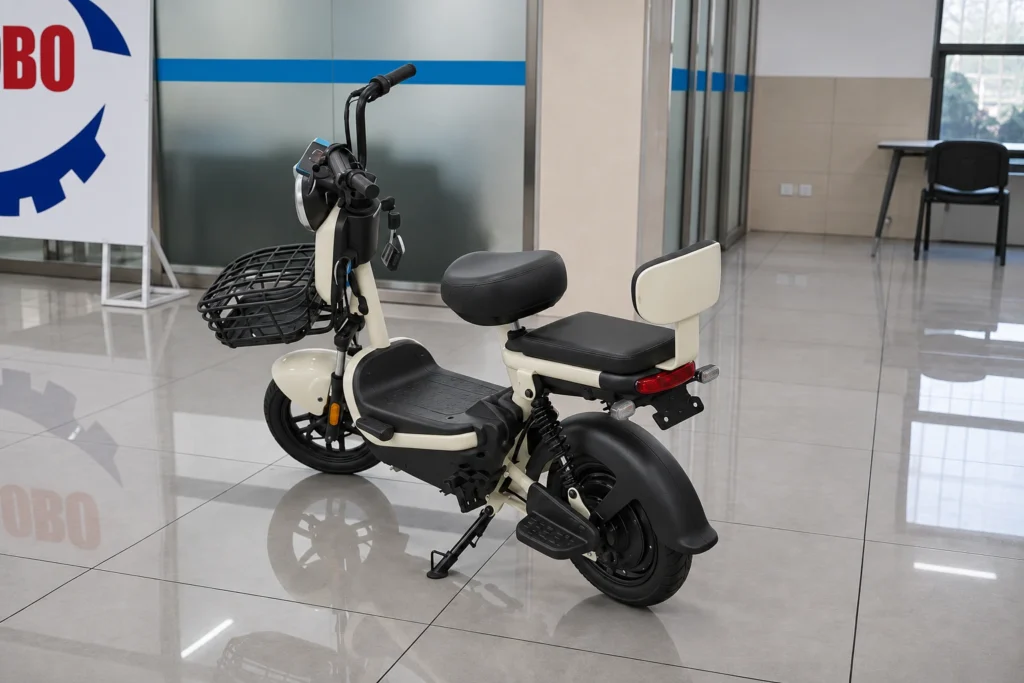
01 / Describe the rider and daily routine
Start with the typical journey, expected rider and luggage load, road surfaces, hills and parking location. Include charging access and any storage restrictions. A compact neighborhood trip and a longer daily commute can create different requirements.
For a dealer range, identify the customer problem each model is meant to solve. A front basket may be useful for a specific carrying need, while another buyer may prioritize seat access or maneuvering room. Confirm the approved accessory loading and vehicle specification before presenting those features as a solution.
Browse the FALCON seated electric scooter range and shortlist platforms around these needs. Use a sample to test the assumptions made from photographs.
02 / Check the seat, controls and foot position
Have the intended rider assess the seating position on an appropriately supported vehicle. Check access to the seat, reach to the ground, handlebar position and ability to operate the controls without an awkward stretch. Seat height alone does not describe the complete fit because seat width and the surrounding layout also affect reach.
Review the footboard or footrest arrangement and the space needed to get on and off. Check whether clothing or carried items could interfere with the controls or moving parts. For comfort, discuss a representative evaluation rather than assuming a wide or padded seat will suit every rider.
Record the model, configuration and observations. A dealer can use this information to explain differences between two platforms more clearly than a comparison based only on appearance.
03 / Review parking and handling space
Measure the storage area, doorway and access route before deciding that a moped will fit. Check the turning space and the effort needed to push the actual vehicle with its battery and accessories. A vehicle that fits while parked may still be awkward to maneuver into that position.
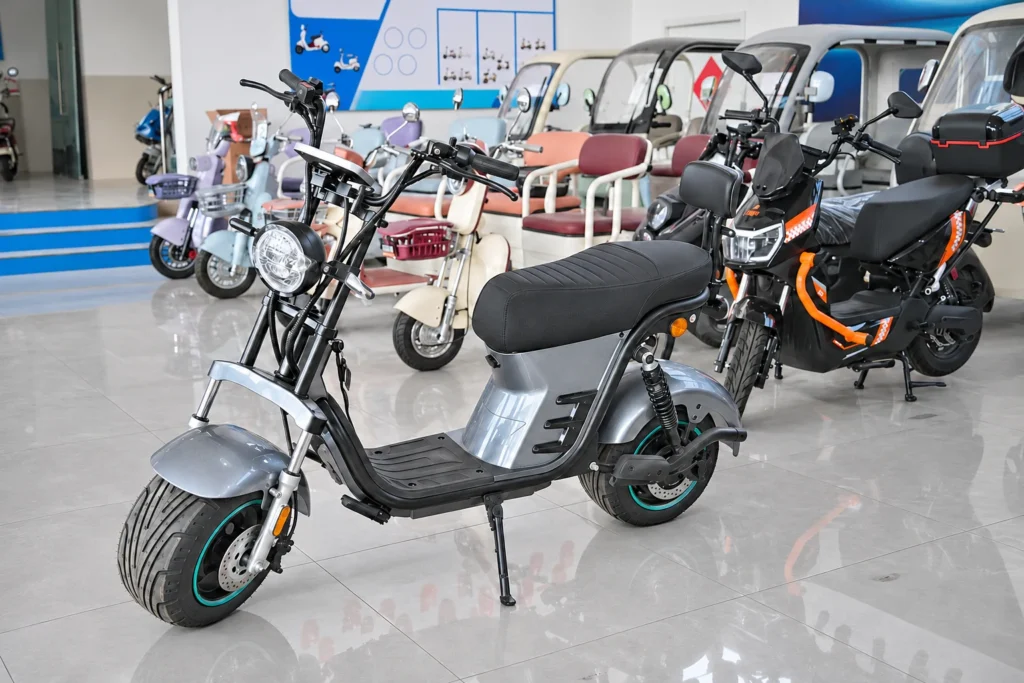
Ask for the dimensions and weight of the quoted version. Practice stand access and parking procedures in a suitable setting. If customers must move the vehicle manually each day, include that task in the sample review rather than treating it as a minor detail.
For riding assessments, use an appropriate test setting and evaluator. Document the load, route and settings so the results can be understood when comparing another sample.
04 / Confirm storage and passenger requirements
A basket, rack, long seat or rear backrest should be assessed as part of the complete build. Ask how accessories are mounted, what loading information applies and which items are included in the quotation. Do not infer an approved carrying capacity from the size of the basket.
If the inquiry is for a moped for two adults, state that requirement explicitly. Confirm the approved passenger arrangement, load information and relevant destination requirements. A second cushion or backrest by itself does not establish approval to carry a passenger.
For buyer discussions, separate essential storage from optional accessories. This keeps the sample review and quotation focused on the customer’s actual routine.
05 / Make charging and service part of the fit
Ask where the selected battery will be charged, whether it is designed to be removed and which charger is approved for it. Review battery access and handling on the sample, and obtain the instructions for the actual configuration.
Describe the longest journey between charging opportunities and the expected load. Ask for the conditions behind any quoted range, then evaluate a representative route with a suitable reserve. The moped battery configuration guide provides a starting point for that discussion.
Dealers should also request replacement references for batteries, chargers, controls and wear parts. The moped production-sample checklist helps connect the customer fit review with the specification and service records needed for a bulk order.
06 / Adult electric moped questions
How do I choose a seated electric moped for my height?
Assess the complete riding position, including seat width, reach to the ground, controls and foot placement. Ask for a sample evaluation rather than selecting only from a published seat-height number.
Does a larger motor make a better adult moped?
Motor rating is one part of the specification. Rider fit, loading, braking, charging and the intended route also matter. Compare the complete configurations for the same use.
Request a FALCON adult electric moped shortlist with your market, route, load, rider-fit priorities and quantity. Use the electric moped quotation guide to compare the resulting offers.