
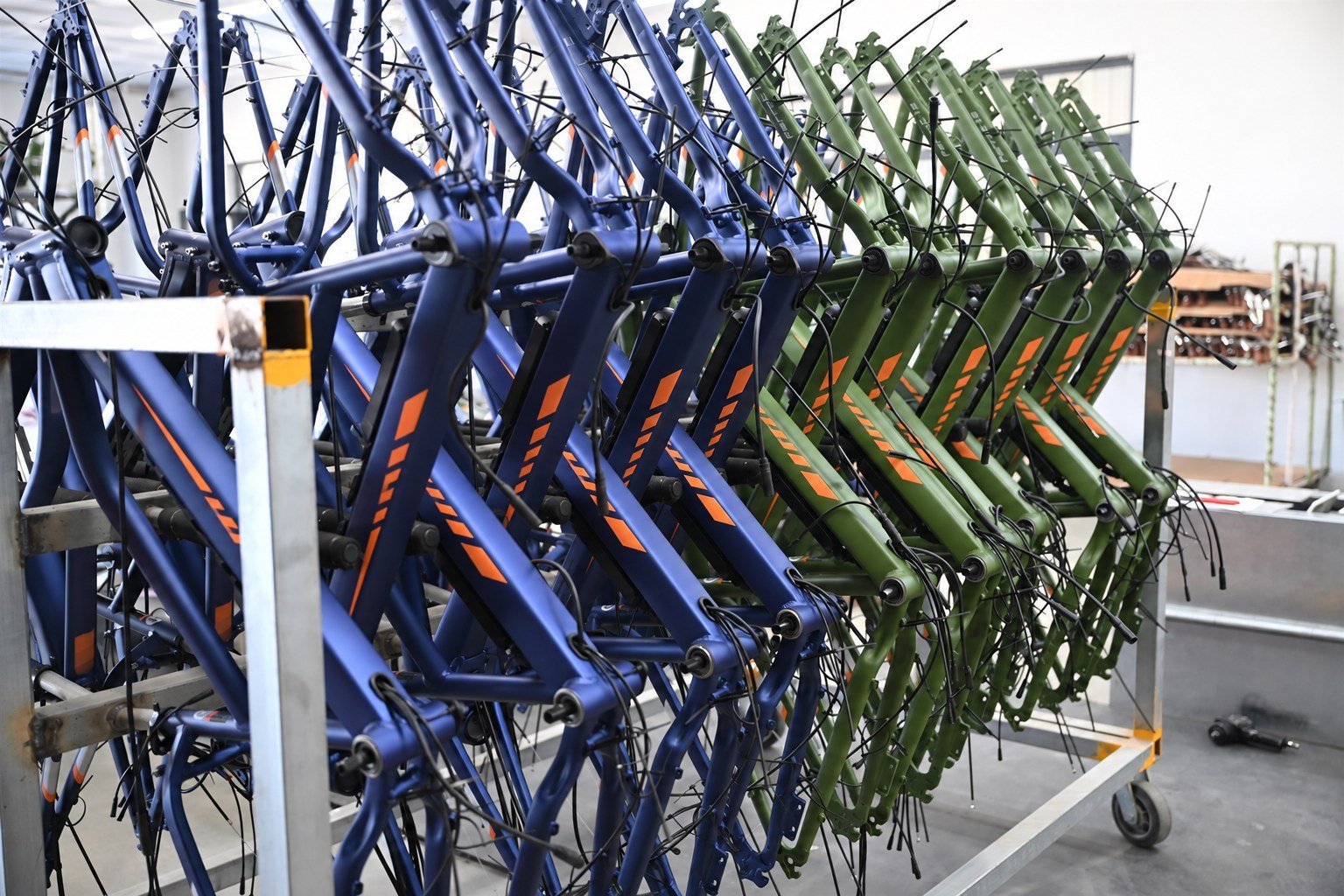
A request for quotation can look complete on paper and still leave the most expensive decisions unanswered. The problem is rarely a missing logo file. It is usually that the intended rider, route, battery expectations and approval standard have not been described in the same document.
Before a supplier prepares a sample, put these six decisions into a short project brief. It will make early conversations more useful and give both sides something concrete to confirm.
01 / Start with the market and the job
“City e-bike” is a category, not a use case. Tell the supplier where the vehicle will be sold and how it will actually be ridden. A rental fleet, a commuter retailer and a last-mile delivery operator may all ask for a city bike, but they will judge durability, service access and accessories differently.
A useful first paragraph covers the destination market, typical rider, road surface, terrain, weather exposure, daily operating pattern, storage conditions and any load the bike needs to carry. If some details are unknown, mark them as open questions rather than presenting guesses as requirements.
02 / Separate fixed requirements from choices
Not every detail needs to be frozen at the first call. Divide the brief into three columns: must have, preferred and open to recommendation. This makes it clear where the supplier can propose an existing platform and where a change really needs engineering review.
For an electric two-wheeler, discuss frame format, wheel and tire style, motor layout, battery position, charging arrangement, brakes, display, lighting, rack or basket, color and branding. A different paint finish is not the same kind of change as a different frame geometry or battery enclosure; keeping those requests separate prevents the project scope from drifting.
03 / Describe performance with conditions
Terms such as “long range” and “strong climbing” are too vague for a sample approval. State the intended route, rider and cargo load, speed or assist setting, stop-start frequency and terrain. Then agree how performance will be checked. Range and climbing results depend on test conditions, so a number without its conditions is a weak basis for comparison.
If your market has specific regulatory, documentation or certification requirements, list them at the start of the project. The applicable standard and responsible party should be confirmed for the destination market; a website image or generic product sheet is not a substitute for that review.
Write down what the vehicle must do in the buyer’s market before deciding what the spec sheet should say.
04 / Decide what the sample must prove
A sample is most useful when it has an agreed checklist. Consider fit and finish, cable routing, brake feel, controls, display legibility, battery access, accessory fit, packaging and the documents supplied with the vehicle. Record issues against the same checklist after inspection, with photos and an owner for each change.
Keep a version number for the sample and the specification. If a component is changed after approval, note whether the change needs another check. This helps prevent a production order from being compared with an outdated sample.
05 / Include the commercial constraints early
Share an indicative order quantity, a realistic target price band, expected launch window, destination and preferred shipment or assembly format. These details influence whether an existing platform, a limited configuration change or a deeper OEM/ODM project is sensible. They also help the supplier flag tooling, packaging and documentation work before it becomes a late surprise.
06 / Send one brief that can be revised
The first brief does not need to be perfect. It does need to be easy to update. A single document with a revision date, named decision-maker and a list of open items is more useful than requirements scattered across emails and messaging apps.
| Field | What to include |
|---|---|
| Market and buyer | Destination country or region, sales channel and intended rider |
| Use profile | Route, terrain, load, daily use and storage |
| Configuration | Must-have items, preferences and items open to recommendation |
| Approval | Sample checklist, test conditions and required documents |
| Commercial plan | Indicative quantity, target band, launch window and shipment format |
The aim is not to eliminate every question before the first conversation. It is to make the important questions visible. Once both sides are working from the same brief, product selection, sample review and quotation become much easier to manage.