
Comparing moped makers starts with the product your business intends to sell. A production sample gives dealers and importers a practical way to examine a two-wheel electric moped, clarify the configuration and agree what the bulk order should match.
This guide explains how to review a sample with an electric moped manufacturer and turn observations into a written production reference. It focuses on the connection between the sample, inspection and repeat orders.
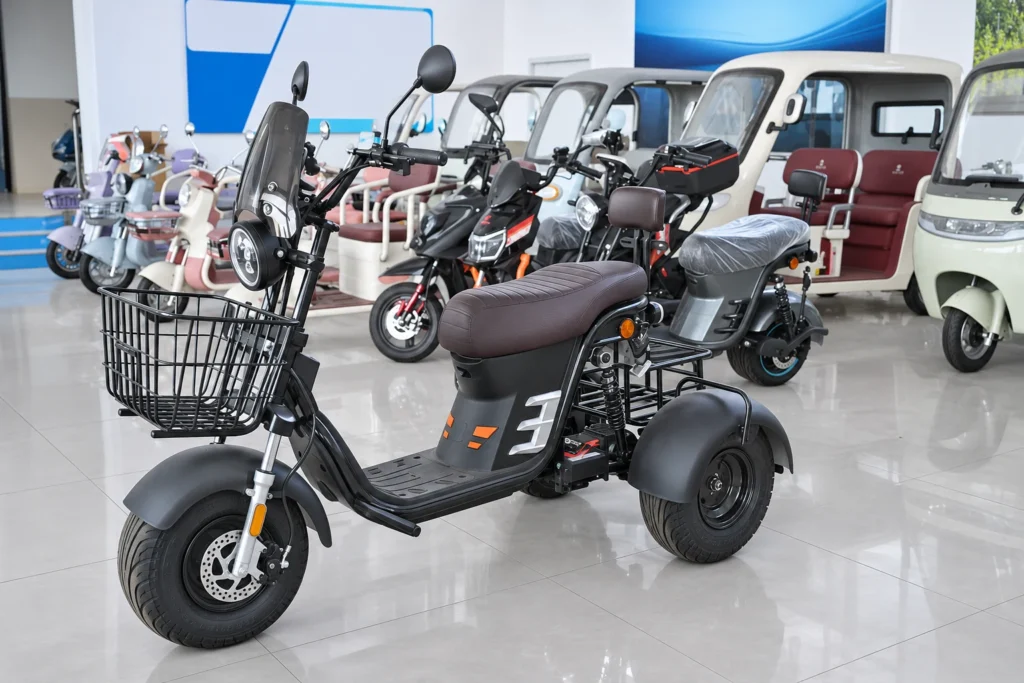
01 / Give moped makers the same sample brief
Describe the target market, customer, riding environment, expected load, charging access and order quantity. State the model format and essential accessories. A supplier needs that context to propose a sample that addresses the intended use.
Ask whether the sample represents the standard configuration, a proposed custom build or an existing demonstration vehicle. Record any differences between the sample offered and the product proposed for production. A showroom vehicle can help evaluate a format, but it should not silently become the reference for components it does not contain.
Use the FALCON electric scooter range to build a shortlist, then review FALCON’s company information and discuss the responsibilities behind the project. Ask who confirms the build, manages changes and coordinates inspection and delivery.
02 / Record the sample’s complete configuration
Prepare a sample sheet with the model, identifying references and dated photographs. Record the battery, charger, motor, controller, brakes, tires, suspension, controls, lighting and accessories. Ask the supplier to identify components that cannot be confirmed from the visible labels.
Keep rated and peak motor figures distinct. For batteries, record chemistry, nominal voltage, capacity and mounting information. Obtain the approved charger reference and instructions for the exact pack. Do not assume components are interchangeable because their cases, plugs or voltage labels look similar.
For a custom electric moped, separate visual requirements from mechanical or electrical changes. Paint, logos and packing should have approval references, while component changes should have a confirmed specification and an agreed evaluation plan.
03 / Review assembly, controls and everyday handling
| Review area | What to observe | What to record |
|---|---|---|
| Assembly and finish | Visible fastenings, cable routing, panels and accessory mounts. | Photos, observations and requested corrections. |
| Rider controls | Control reach, labeling, display and operation. | Settings and instructions demonstrated. |
| Parking and handling | Stand access, pushing effort and maneuvering space. | Dimensions and handling observations. |
| Battery and charging | Access, charge-port position and approved equipment. | Battery, charger and manual references. |
| Service access | Routine maintenance information and replaceable parts. | Part identifiers and support questions. |
Perform riding checks in an appropriate setting using a suitable evaluation plan. Record the configuration, rider and load conditions behind the observations. A casual test ride should not be treated as proof of every catalog performance claim.
04 / Confirm documentation and parts support
Request the instructions, assembly information, maintenance guidance and documents relevant to the intended destination version. Model names and category labels do not by themselves establish a vehicle’s approval for a particular country. Have the actual proposed configuration reviewed before making road-use commitments.
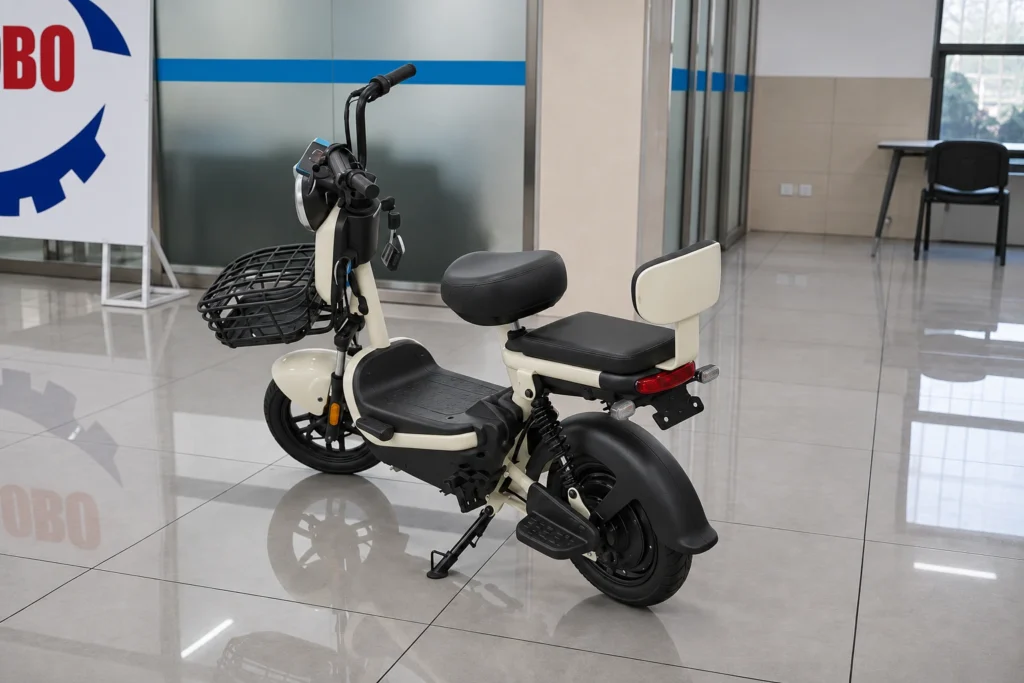
Ask which replacement parts are available and how they are identified. Prioritize the components your dealers will need to recognize, such as the charger, battery, controls, brake wear parts, tires and lights. Discuss lead times and the information required when reporting a fault.
Where several moped companies are being considered, compare their answers using the same sample sheet. This makes gaps visible without assuming that every supplier follows the same production or support process.
05 / Turn the review into a production reference
List corrections and obtain written agreement on the final build. Retain the approved sample reference, component list, artwork, labels, accessories and packing requirements with the purchase order. Agree what the inspector and receiving team should check.
Ask how substitutions will be proposed and approved before production. Keep a version record when the specification changes so parts orders and repeat batches can be matched to the correct build. Discuss branding and configuration requests through the FALCON OEM/ODM service.
For the commercial side, read our electric moped price guide. It explains how to connect the approved configuration with quotation inclusions, quantity and delivery terms.
06 / Questions to ask moped makers
Can I approve a sample before a bulk order?
Ask FALCON about the sample process for your selected platform, including the configuration, sample terms, review steps and timing. Confirm how the approved result will be reflected in production.
What if I request a change after reviewing the sample?
Record the change and ask whether it affects components, documentation, evaluation, price or schedule. Obtain a revised specification rather than relying on an informal description.
Discuss an electric moped sample with FALCON using your market, model shortlist, quantity and required delivery window. For customer fit, see the adult seated-moped guide.