
The market for electric dirtbikes for adults is better understood through rider needs than through a single power rating. A first-time off-road customer, a returning motorcyclist and an experienced enthusiast may all search for an adult electric dirt bike, yet expect very different products. For dealers and importers, the opportunity is to make those differences easy to understand and match each customer with a suitable motorcycle.
01 / Market size: distinguish adult demand from the total category
Australia’s Federal Chamber of Automotive Industries reported 41,190 off-road motorcycle sales in 2025 in its annual market release. The figure illustrates the scale of an existing off-road retail category. It does not isolate electric powertrains or adult riders and should not be presented as adult electric dirt bike demand.
The public sources used here do not establish a separate, comparable worldwide sales total for adult electric dirt bikes. A distributor should therefore estimate its reachable market from local evidence: suitable dealers, adult customer enquiries, demonstrations and completed orders.
For example, a retailer could track enquiries from customers seeking their first motorcycle separately from those replacing an existing bike. That distinction is more useful for selecting the opening range than assuming every adult buyer wants the largest or most powerful model.
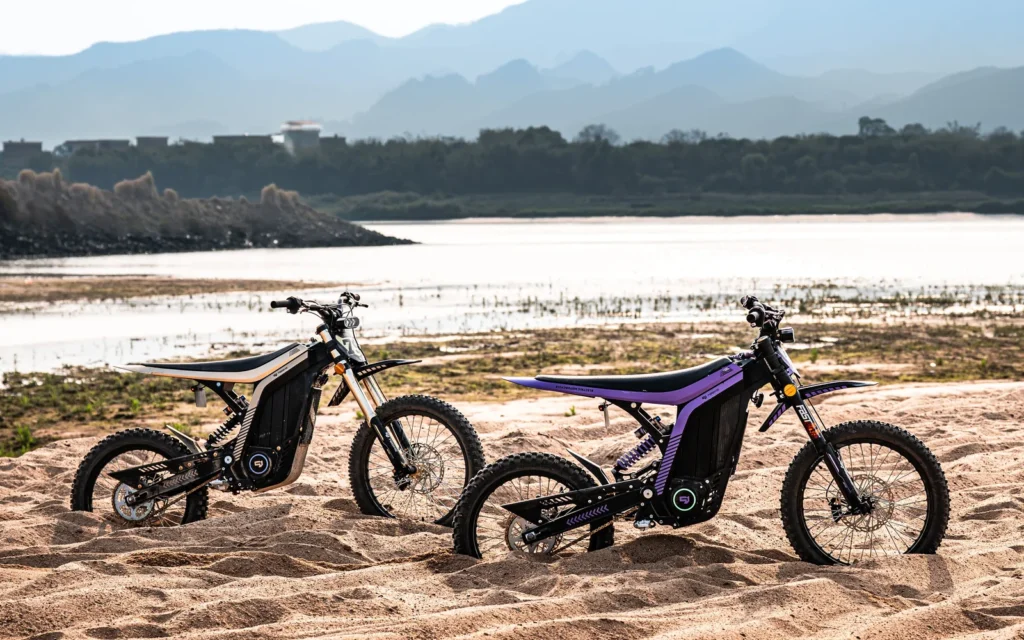
02 / Growth factors: make the ownership proposition clearer
A potential demand driver is the ability to position products around different experience levels. Where a model offers selectable riding settings, a dealer can explain and demonstrate them using the manufacturer’s instructions. The setting is part of the product proposition, not a substitute for training or a guarantee that the motorcycle suits every beginner.
Fit is another way to improve the buying experience. Publish seat height, vehicle weight, load limits and relevant dimensions. Give customers an opportunity to assess reach and stationary handling before purchase. An adult label alone does not communicate whether a motorcycle fits a particular person.
Convenient ownership can also be a reason to choose one offer over another. Explain the confirmed charging arrangement, battery replacement process and workshop support. These are areas where a prepared dealer can make its product easier to evaluate without making unsupported promises about running costs or service life.
03 / Segment adult customers by experience and use
Use the following framework to organize a retail range and sales conversation. These are suggested customer groups, not measured shares of the market.
| Customer group | Main question | Product-selection focus |
|---|---|---|
| Adults new to off-road motorcycling | Can I handle and learn to use this motorcycle appropriately? | Fit, controllability, instruction and manufacturer-stated suitability |
| Returning recreational riders | Does this match the riding I want to do now? | Comfort, handling, session duration and local riding access |
| Experienced enthusiasts | How does it perform on my intended terrain? | Chassis equipment, sustained operation and component support |
| Managed adult riding programs | Can the product support repeated supervised sessions? | Approved commercial use, fleet consistency and servicing |
A compact model may attract an adult customer but still require careful checking of its intended rider and loading limits. Equally, a full-size motorcycle should not automatically be described as a competition product. Let documented suitability guide the recommendation.
04 / Regional opportunities: remove the barriers to a purchase
Australia: evaluate the existing off-road customer base
The FCAI’s broader sales figure provides a reason to investigate off-road dealerships, not an automatic case for stocking electric models. Ask partners which adult customers are enquiring about electric motorcycles, which price levels they consider and whether charging or service access is holding back a purchase.
United States: make riding access part of the conversation
The Bureau of Land Management’s e-bike guidance describes e-bikes as having fully operable pedals and motors of no more than 750 watts. A motorcycle without functional pedals should not be promoted as qualifying for those e-bike provisions. This guidance concerns BLM-managed public lands; it is not a rule for every road or trail in the United States. Confirm the rules for the actual vehicle and intended riding location.
For a dealer, this distinction helps identify customers who have suitable places to ride. It also prevents an off-road motorcycle from being sold on the mistaken assumption that it has ordinary bicycle access.
Europe and other destinations: test a specific local offer
A practical pilot could pair one dealer with an approved demonstration venue and a small selection of adult-suitable models. Evaluate rider fit, willingness to pay and ownership questions locally. This is a proposed market-entry approach rather than a claim about which country has the largest adult segment.
05 / Build a range around decisions customers can make
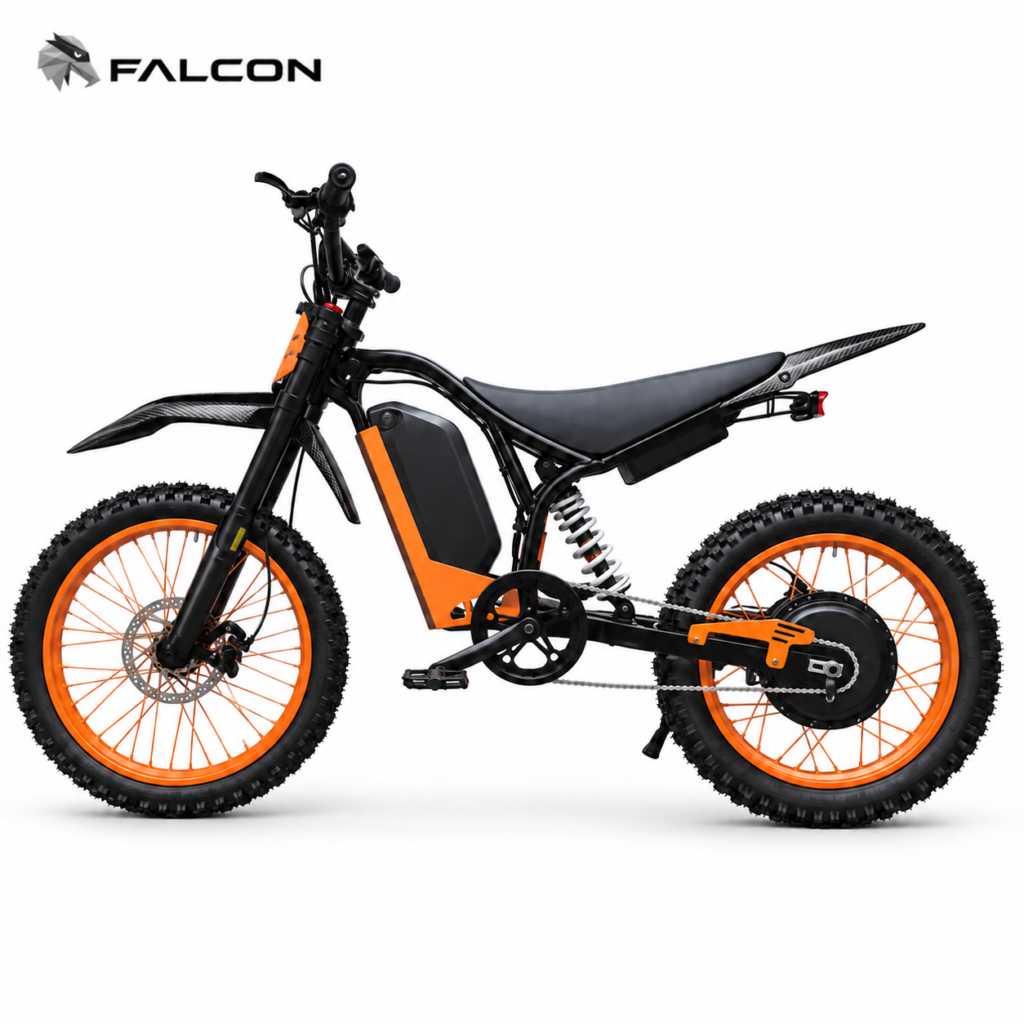
Organize the showroom by intended use and fit rather than arranging every model from lowest to highest wattage. A comparison sheet should use consistent fields: dimensions, ready-to-ride weight, rider limits, battery configuration, charging arrangements and intended terrain.
Make the sales discussion specific. Ask where the customer plans to ride, what experience they have and how they will transport and store the motorcycle. A prospective buyer who cannot identify a suitable riding location needs that question resolved before a product recommendation.
For online enquiries, show photographs that explain scale and riding position without suggesting unverified capabilities. Add clear specifications and a route to speak with a knowledgeable salesperson. Avoid using children-sized or high-performance imagery to represent a materially different model.
Collect the reasons for rejected models as well as successful purchases. A motorcycle that repeatedly loses sales because of fit may need a different target customer, not simply a larger discount. Use that evidence to guide the next wholesale order and the information supplied on your product pages.
An adult electric dirt bike offer works best when the customer understands the fit, intended use and ownership requirements before purchase.
06 / Develop your adult-focused product range with FALCON
For the wider industry context, read our electric off road dirt bike market overview, then explore FALCON’s electric dirt bike and motorcycle range to compare available formats.
Businesses exploring electric dirtbikes for adults can start with a defined rider profile and the conditions in which the motorcycles will be used. FALCON welcomes product enquiries from distributors and dealers developing an electric motorcycle range.
Request current product information and a wholesale quotation with your company name, destination, preferred models and estimated quantity. Include rider-fit requirements, terrain, desired price position and support expectations. Confirm each model’s intended rider and configuration before approving your range.