
Electric bicycles procurement starts with a written specification and ends with a batch you can inspect, receive and service. For a dealer, importer or fleet buyer, the goal is to make sure the quote, approved sample and delivered bicycles describe the same product.
Use this guide to plan a wholesale e-bike order from the initial request for quotation (RFQ) through receiving inspection. It applies whether you are buying a standard model or developing a private-label range.
01 / Turn the intended use into a procurement brief
Start with the customer and route. A commuter bike may need a step-through frame, lights and a rear rack. A delivery fleet may need easy battery removal, verified rack limits and a quick way to obtain service parts. Specify the destination market, typical loads, terrain, expected quantity and sales or fleet launch date before asking for prices.
Separate requirements into mandatory and optional. If a rack is mandatory, state the minimum carrying requirement and ask for the rack’s own rating as well as the bicycle’s total permitted weight. If a display upgrade is optional, ask the supplier to quote it separately. This makes it easier to compare suppliers without paying for features you do not need.
If the model is still undecided, start with the powered bicycle buying guide. For regular commercial loads, use the cargo electric bicycle procurement guide to shortlist formats around the load and route.
02 / Send the same RFQ to each e-bike supplier
| RFQ item | What to specify | What the quote should confirm |
|---|---|---|
| Bike and use | Frame size, intended rider, terrain, load and required accessories | Exact model and configuration offered, with any deviations called out |
| Electrical system | Motor rating, assistance controls, battery energy and charger needs | Battery, controller, display and charger references for the quoted build |
| Order and packaging | Quantity by model and size, colors, labels, manuals and assembly on arrival | Minimum order quantity (MOQ), carton dimensions, included items and optional costs |
| Delivery | Destination, preferred shipping basis and arrival target | Currency, named delivery location, lead-time assumptions and quote validity |
| Support and documents | Warranty expectations, spare parts and destination documentation | Who handles claims, which parts are available and what documents cover the exact build |
Ask each e-bike supplier to list exceptions in writing. Two bikes described as “48 V” can still differ in battery energy, controller settings and included charger. A side-by-side comparison is useful only when you know which differences remain.
03 / Compare wholesale e-bike prices at the same delivery point
Put each quote in the same currency and compare the cost at the same receiving location. Use the named place and the applicable trade rule; the International Chamber of Commerce explains how Incoterms rules divide delivery tasks, costs and risks. Mark which costs are already included, then add the buyer’s remaining freight, insurance, clearance, applicable duties and taxes, and final delivery. Keep receiving, assembly and warranty allowances visible as separate operating costs.
Illustrative example: For two otherwise equivalent orders, Quote A is USD 500 per bike with USD 42 in additional transport costs to your warehouse. Quote B is USD 515 with USD 15 in additional transport costs. Before duties, taxes and other fees, the subtotals are USD 542 and USD 530. The lower unit quote is USD 12 higher on this basis. These figures illustrate the comparison and are not FALCON prices.
When comparing wholesale electric bicycles from China, see the China electric bicycle procurement guide for a closer look at supplier roles, freight and import costs.
04 / Approve a sample and record what must stay the same
Ask for a sample that represents the proposed production build. Record its model, size, battery and charger labels, brake and drivetrain parts, accessories, packaging and visible finish. Evaluate it against the agreed use, including fit, assistance response and handling at the intended load. Record the results and resolve any exceptions before confirming the batch.
Give the approved specification a revision number and reference it in the purchase order. If a component becomes unavailable, request a proposed substitute, its effect on compatibility and documents, and written approval before the change is made. Use the OEM sample checklist to structure the evaluation. For logos, colors or packaging changes, ask about OEM/ODM options and confirm what will be reflected in the approved sample.
05 / Agree on e-bike quality inspection and shipping documents
Before production, agree on what will be checked, how bikes will be selected for inspection and what happens if the batch fails. Include the checks needed for the exact model: assembly and finish, brakes, electrical functions, accessory counts, carton protection and labels. Ask for a report that identifies the batch, shows any defects and records corrective work before release.
Review the invoice, packing list and applicable product and transport documents against the model and battery you approved. Confirm with your freight specialist how the bikes and any spare packs will be shipped. IATA publishes battery transport guidance for air cargo; packaging and paperwork for your route and transport mode should be confirmed separately. Battery transport evidence does not replace destination product compliance.
06 / Plan receiving and after-sales before the order ships
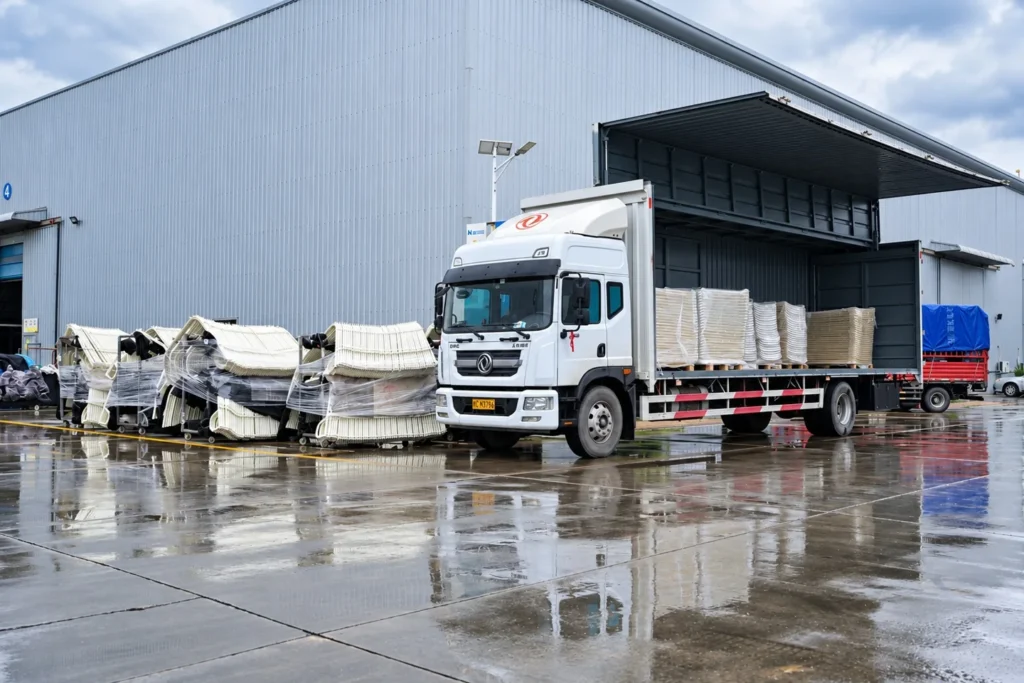
At receipt, match carton counts and labels to the packing list, record visible damage, and check that the sampled bikes and included accessories match the order. Agree in advance on the process for reporting shortages, damage and functional defects, including the evidence required and who pays for replacement parts, freight or labor.
Prepare a spare-parts list around components your customers may actually need: chargers, displays, brake wear parts and compatible batteries. Ask how to identify the right replacement if a bike’s build changes between batches. Keep serial or batch records where available so service teams can link a fault to the correct configuration.
07 / Electric bicycles procurement FAQs
What is the minimum order quantity for electric bicycles?
It depends on the model, customization and quantity split. Ask whether the MOQ applies to the whole order or to each model, size or color, and quote sample or pilot quantities separately.
Does approving a sample mean the bulk order is approved?
Sample approval sets the reference. The purchase order should still define inspection, documentation and acceptance for the production batch, plus the approval process for any changes.
Can I compare quotes if the delivery terms differ?
Yes, if you normalize the offers to the same delivery point and configuration. Calculate the remaining costs you would pay under each quote and show any assumptions that are not yet confirmed.
08 / Prepare your wholesale e-bike enquiry
Review the FALCON product range and send a brief with your destination, riding use, preferred configuration, quantity and target delivery point. Note which requirements are mandatory, whether you need a sample, and the branding or spare-parts support you want priced.
Request a wholesale electric bicycle quotation from FALCON. Ask for the complete build and quote inclusions in writing so you can compare the proposal and plan your sample evaluation.