
Off-road fat tire electric bikes give dealers a product category that connects outdoor recreation with electric assistance. A customer may be planning weekend rides on suitable unpaved routes, while a tourism operator may want a distinctive bicycle for guided experiences. For importers, the opportunity is to match that interest with a clearly defined product. Understanding market scale, growth drivers, customer segments and regional conditions helps turn an attractive design into a workable business offer.
01 / Market size and the wider e-bike opportunity
According to ZIV’s 2025 German market data, approximately 2 million e-bikes were sold in Germany, accounting for 52.7% of new bicycle and e-bike sales combined. This demonstrates the scale of an established e-bike market, but the figures do not isolate fat tires or off-road use.
The sources reviewed for this article do not provide a comparable global sales total for off-road electric fat bikes. Rather than assign an unsupported market value, distributors can use broader industry data as context and build a local demand estimate around relevant dealers, qualified enquiries and completed purchases.
The commercial question is therefore specific: which customers need this riding format, and what would persuade them to choose it over a conventional mountain e-bike or commuter model? The answer should shape the opening product range.
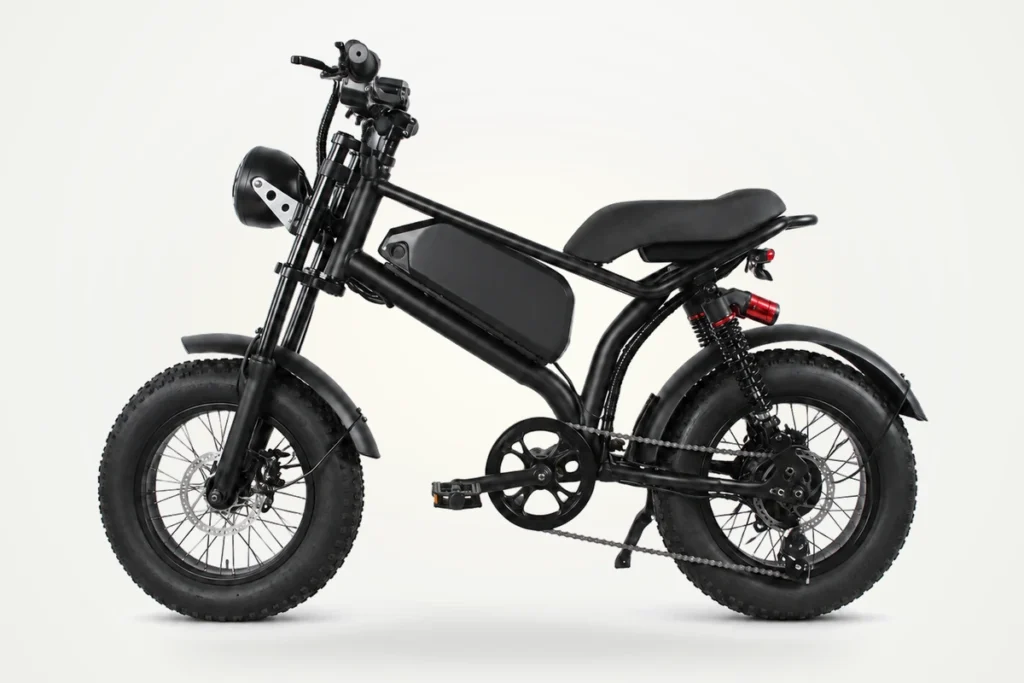
02 / Growth factors: terrain, recreation and ownership confidence
A product story linked to suitable terrain
Wide tires are an important part of the product proposition. Schwalbe describes its Jumbo Jim fat-bike tire as a high-volume design intended for soft and loose ground. This illustrates a tire-design application, not a guarantee that every wide-tire bicycle can handle every surface. Tire selection, approved pressures and the complete bicycle specification still need to match the route.
Recreation with a practical demonstration
For a dealer, a promising sales approach is to show how the bicycle behaves on an appropriate test route. Discuss steering, rider position, assistance response and battery use rather than relying on an all-terrain label. Let customers compare relevant models under the same conditions.
A more complete ownership offer
Local preparation, clear instructions and access to replacement parts can become reasons to choose one supplier over another. Build these elements into the proposal from the beginning. Customers should understand what is included, who answers service questions and how the product will be supported after delivery.
03 / Market segments and purchasing priorities
The following segments are a practical planning framework rather than measured market shares. A business can serve more than one segment, but each model needs a clear primary purpose.
| Segment | Potential buyers | Priorities to confirm |
|---|---|---|
| Recreational mixed-surface riding | Bicycle retailers and leisure customers | Rider fit, intended terrain and predictable controls |
| Trail-oriented riding | Specialist shops and experienced riders | Frame suitability, suspension, braking and service access |
| Seasonal snow riding | Outdoor retailers and suitable tour operators | Approved tires, temperature limits and local route conditions |
| Guided outdoor experiences | Tourism businesses and managed venues | Commercial-use approval, charging turnaround and fleet maintenance |
A customer considering an electric bike in the snow needs more information than tire width. For example, Bosch’s battery-care guidance recommends charging ideally at room temperature and explains storage and cold-weather precautions for its batteries. Follow the instructions for the actual battery supplied; do not present another manufacturer’s guidance as a specification for your model.
04 / Regional opportunities and entry approaches
United States: connect the product with permitted riding
The Bureau of Land Management explains that, on BLM-managed lands, e-bike access to non-motorized trails depends on local authorization; its general rule does not automatically open those trails. This guidance applies to BLM-administered public lands, not to all roads or trails in the United States. A proposed dealer partnership should therefore identify appropriate riding locations before promoting an off-road experience.
Germany: test a differentiated specialist offer
Germany’s broader e-bike sales provide a reason to investigate specialist bicycle channels. They do not establish fat-tire demand. Ask potential partners whether customers are requesting a wide-tire format and which alternatives they already buy. Demonstrations and a clear specification can help test whether the proposed model adds something useful to the showroom.
Other destinations: evaluate a local route and customer
For a distributor considering Australia, Canada or another market, begin with a specific retailer or operator rather than a country-wide assumption. Review intended use, product classification, local servicing and realistic customer demand together. These are proposed market-entry approaches, not a ranking of national fat-tire sales.
05 / Build an evidence-led wholesale plan
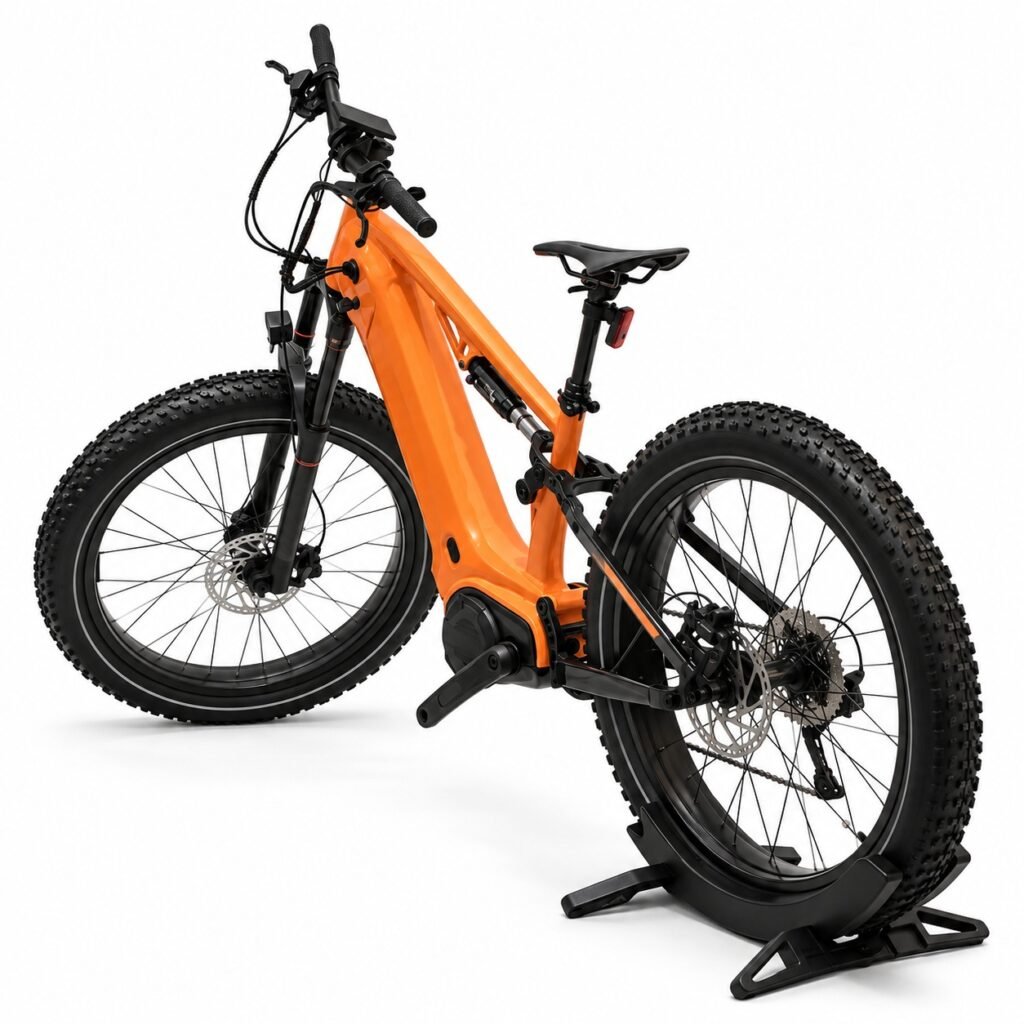
For retailers comparing electric fat tire ebikes, a useful wholesale plan begins with the intended rider and route.
Create a brief covering the destination, rider profile, terrain, target selling position and estimated quantity. Request current specifications, sample arrangements and a quotation for the exact configuration. Keep power ratings, battery capacity, ready-to-ride weight and load limits clearly identified.
During sample review, record the route, rider load, assistance setting and conditions. Evaluate the complete bicycle within its stated operating limits. An off-road appearance does not by itself demonstrate suitability for jumping, racing or demanding technical trails.
Track customer enquiries separately from completed sales. Record why buyers reject a model, including fit, storage, price or lack of a suitable riding location. Use that feedback to refine the range before committing to additional colors or similar configurations.
A useful fat-tire range starts with a specific riding need, then proves its value through the right product and a realistic ownership plan.
06 / Discuss your fat-tire project with FALCON
Explore FALCON’s fat-tire electric bike range as a starting point for model selection.
FALCON welcomes enquiries from dealers, distributors and importers developing an electric bicycle range. Share the customers you want to serve and the riding conditions your products need to address.
Contact FALCON for product information and a wholesale quotation with your company name, destination market, preferred bicycle format and estimated order quantity. Include your battery, frame, branding and support requirements so available options can be discussed around your business.