
Electric MX describes electric motocross-style riding and the bikes buyers associate with that use. When comparing an electric off-road platform, start with the intended riding environment and the complete vehicle specification. Motor power alone cannot establish whether a particular bike is suitable for a track, a rider or a dealer program.
This guide explains how to prepare an electric MX evaluation brief and discuss a sample with FALCON. The supplied riding images illustrate different operating environments; confirm the capabilities of the actual model you intend to purchase.
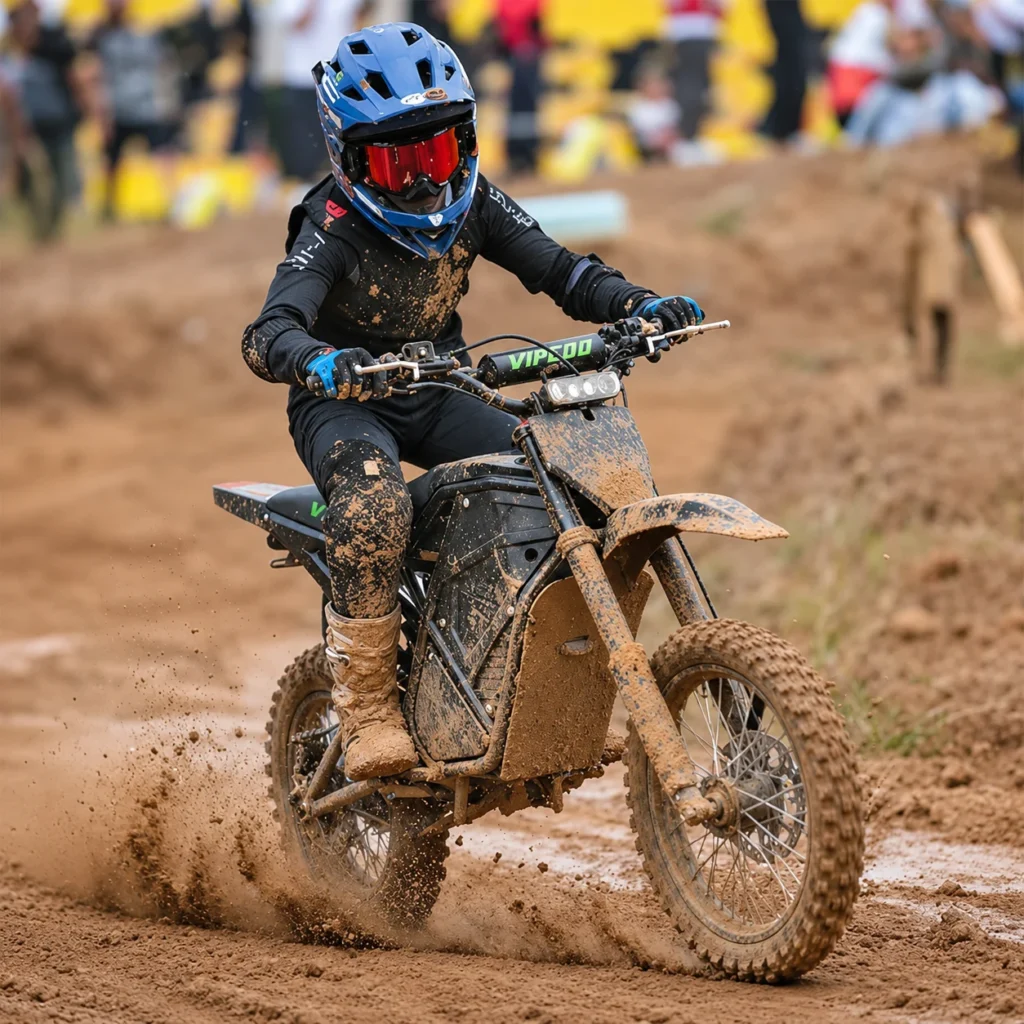
01 / Define the track and riding application
Describe the surface, gradients, session length, expected rider and load before choosing a platform. A groomed track, a rough trail and mixed recreational riding create different demands. Ask the supplier to identify the intended use and limitations of the exact configuration being offered.
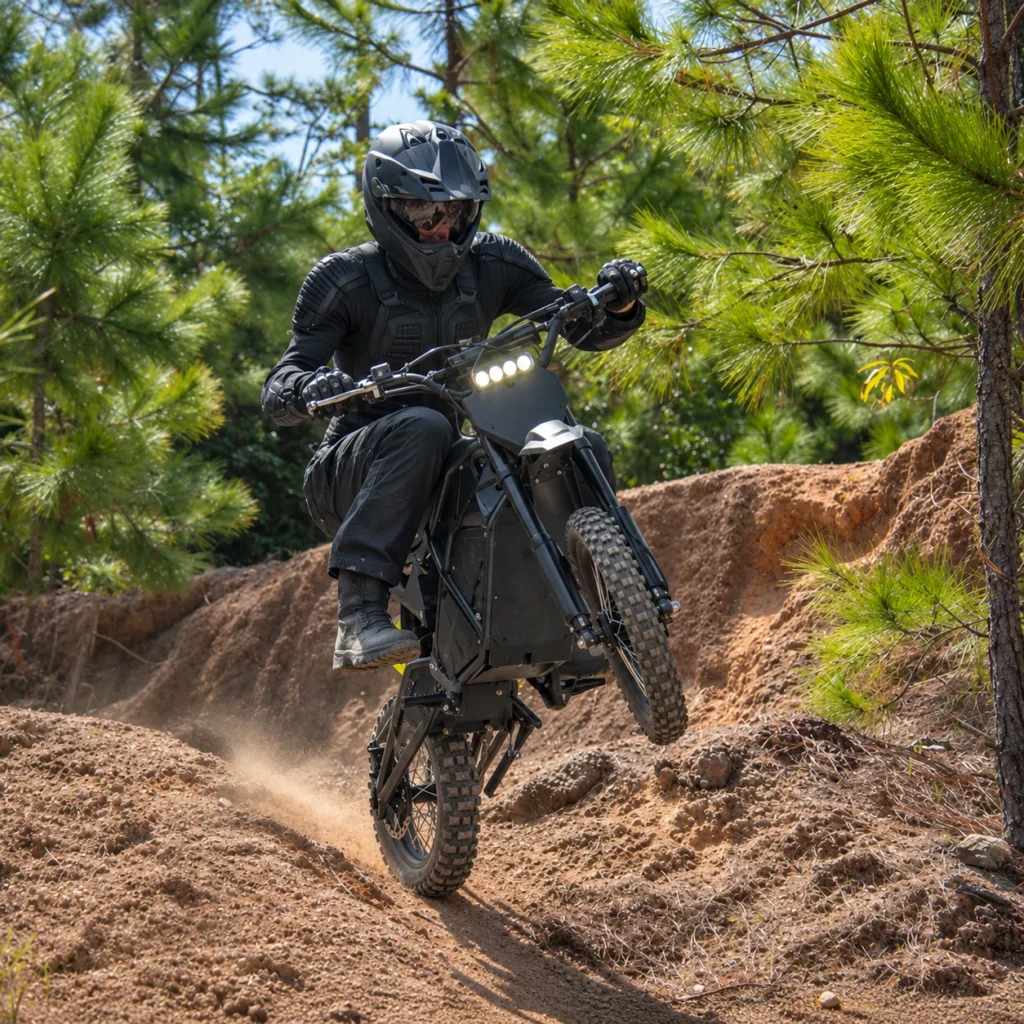
If your project includes jumps or competitive use, state that requirement explicitly and request evidence relevant to it. A photograph, a suspension label or a category name does not establish that a bike has been evaluated for that duty. Have the proposed model assessed against a suitable evaluation plan before committing to that application.
Browse the FALCON electric dirt bike and motorcycle catalog to identify platforms for discussion. Keep the intended riding environment attached to the model shortlist so the inquiry remains specific.
02 / Assess rider fit and chassis information
Review seat access, reach to the controls, foot placement and the effort required to maneuver the actual bike. Ask for dimensions and weight for the quoted build, including its battery. A nominal seat height alone does not describe the complete fit.
Request the suspension, wheel, tire and braking specifications. Discuss the intended load and use with the supplier rather than assuming that two bikes with similar silhouettes have equivalent chassis performance. Record the exact components proposed for the sample.
The FALCON ZR-CP023 off-road platform is one catalog reference to discuss. Confirm its actual specification and suitability for the project before treating it as a track-riding choice. For a broader comparison of power and control, read the high-performance electric dirt bike buying guide.
03 / Match power delivery and battery energy to the session
Distinguish rated motor power from any short-duration peak figure. Ask for the motor, controller, drive settings and battery combination used in the proposed build. These components should be evaluated together rather than selected from unrelated headline specifications.
For battery planning, describe riding time between charging opportunities and the intended session conditions. Ask what test method supports any stated range or runtime. A maximum distance from another operating environment may not describe the energy demand of your use.
Confirm the approved charger, charging access, expected charging window and replacement references. If the program needs a different pack or charging arrangement, have the supplier review compatibility before making it part of the specification.
04 / Prepare a repeatable sample evaluation
| Record | Information to include |
|---|---|
| Sample identity | Model, identifying references and component version. |
| Operating conditions | Surface, route, rider, load and session duration. |
| Vehicle settings | Approved setup, drive mode and starting battery condition. |
| Observations | Handling, control response, charging and service questions. |
| Follow-up | Corrections, supporting information and approval status. |
Use an appropriate test setting and qualified evaluation support for the intended duty. Keep observations separate from claims that require further validation. Retain the sample record so a later production vehicle can be compared with the same agreed build.
05 / Plan parts and service before ordering
Ask for references and availability for wear parts and model-specific electrical components. Include tires, brake parts, controls, battery and charger in the service discussion. Similar appearance does not establish interchangeability between models or batches.
For dealers, clarify vehicle preparation, instructions, fault reporting and warranty handling. Agree how component substitutions will be proposed before production. The electric dirt bike procurement guide explains how to connect the approved build with inspection and delivery.
06 / Electric MX questions and the next inquiry
Does an off-road listing mean a bike is suitable for motocross?
No single category label establishes that suitability. Confirm the model’s intended use, limitations and supporting evaluation for the riding duty you need.
What should I send with an inquiry?
Share your market, riding environment, rider and load, session length, charging access, model shortlist and quantity. Ask for the proposed build and sample evaluation steps.
Discuss an electric off-road bike project with FALCON. For the commercial comparison, use our electric dirt bike price guide; for project planning, compare DIY and factory-build options.