
A mid drive electric fat bike offers a focused product direction for businesses serving riders who want more than a basic commuter bicycle. The market opportunity lies in explaining how a particular drive system, frame and equipment package support the intended ride. For distributors and specialist dealers, premium positioning becomes more convincing when it is supported by clear specifications, sample evaluation and dependable ownership support.
01 / Market scale and the premium product opportunity
The UK Bicycle Association’s 2025 market review reported 2% growth in e-bike sales volume and 10% growth in e-bike sales value. It linked the stronger value performance to higher-value products such as electric mountain bikes.
These figures cover the wider UK e-bike category, not mid-drive fat bikes specifically. The business implication is that product mix can matter as much as unit volume. A distributor should examine which improvements customers value enough to influence a purchase, rather than assuming that a more expensive specification automatically creates demand.
The sources used here do not establish a standalone global market size for mid-drive electric fat bikes. Build a reachable-market estimate from relevant retailers, customer budgets and realistic annual sales per model. Keep that local estimate separate from any broader industry forecast.
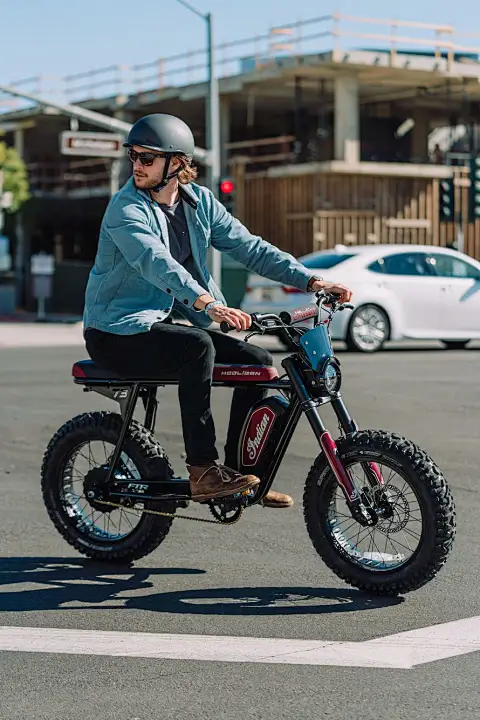
02 / Growth factors: specialized systems and a clearer value proposition
Component development for the fat-bike format
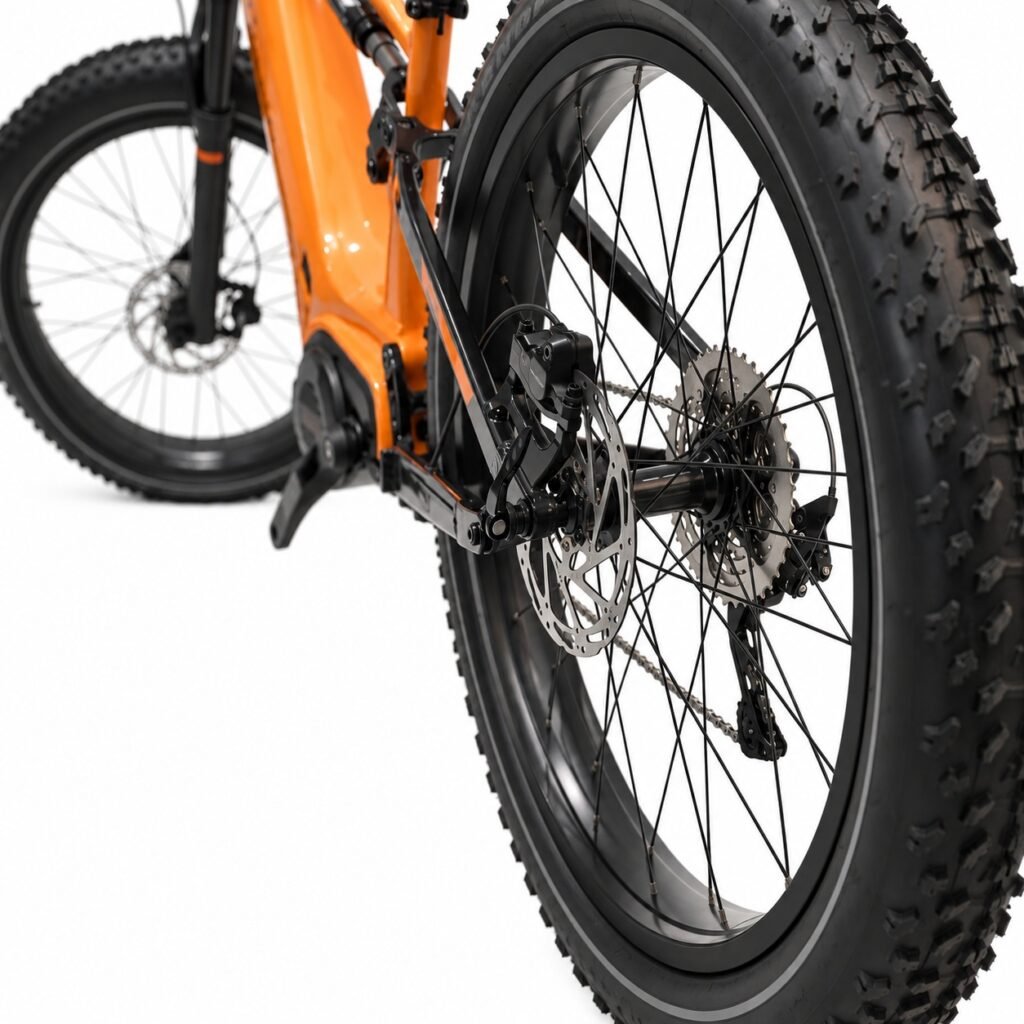
Specialized components provide one concrete sign of product development. Bafang identifies its M620 platform as a drive system for eFat and eCargo applications. This shows that component suppliers address fat-bike requirements directly. It does not establish market share or mean that a particular FALCON model uses that system.
A complete specification instead of one headline number
When comparing proposals, ask how the drive system works with the selected gearing, battery and controls. Request both continuous and peak ratings where applicable, with their definitions. Evaluate response during starts, changes in assistance and the intended riding session.
The word mid-drive alone does not prove superior range, climbing performance or reliability. Those claims need evidence for the complete bicycle. A useful dealer demonstration compares the actual models under the same conditions and explains the differences the customer can experience.
Confidence in long-term ownership
A premium customer should be able to understand the service arrangements before purchasing. Discuss replacement components, diagnostic requirements and workshop training with the supplier. Document what support is available locally and which tasks need specialist assistance.
03 / Segment the market by customer expectations
The following groups describe potential product positions, not reported market shares. Their purpose is to help an importer avoid offering several expensive models with no clear distinction.
| Product position | Customer expectation | What to demonstrate |
|---|---|---|
| Premium recreational fat bike | An enjoyable bicycle for the intended leisure routes | Fit, assistance response and practical handling |
| Trail-oriented configuration | Equipment suited to specified unpaved conditions | Approved use, braking, suspension and route performance |
| Utility-oriented fat bike | Useful carrying capability on suitable routes | Rated loads, accessory compatibility and loaded handling |
| Private-label dealer range | A consistent product identity and ownership offer | Confirmed configuration, model information and parts support |
Define the customer before deciding how much equipment to include. A recreational buyer may prioritize fit and battery access, while a specialist customer may request more detailed information about the chassis and drivetrain. Use these differences to create a focused range rather than a simple ladder of motor ratings.
04 / Regional opportunities for specialist dealers
United Kingdom: investigate value-led bicycle retail
The Bicycle Association’s results provide evidence of a stronger value mix in the broader category. A proposed entry strategy is to approach specialist retailers with a well-documented sample and a specific customer profile. The configuration must also be assessed against local requirements; a premium drive system does not itself determine product classification.
Germany and other European destinations: test the dealer proposition
For a European launch, ask potential partners what would justify adding a new fat-bike line beside existing products. The answer might involve a distinctive frame format, a useful equipment package or a better-supported price position. Treat those as hypotheses to validate through dealer feedback and customer demonstrations.
North America: distinguish recreational and utility customers
A distributor could test separate offers for leisure riders and buyers with practical carrying needs. Confirm intended use, local access rules and the complete vehicle specification before presenting either offer. A utility appearance should not be used to imply an unverified payload or towing capability.
These are possible channel strategies, not a sales-based ranking of countries. Select partners according to customer access, technical capability and evidence of demand for the proposed product.
05 / Build a premium offer that can earn repeat business
Prepare a consistent comparison sheet for quotations. Include the drive-unit reference, battery specification, braking equipment, gearing, weight, frame dimensions and included accessories. Identify which details are fixed and which require confirmation.
Evaluate the commercial package alongside the sample. Ask about packaging, product preparation, manuals, warranty responsibilities and replacement-part ordering. The difference between a supplier quote and a retail price is not the same as profit; your business still needs to account for delivery, sales and support costs.
For an electric mid drive fat bike launch, begin with a manageable selection and a clear demonstration plan. Track which features customers ask about, which objections recur and which models generate actual purchases. That feedback provides a stronger basis for the next order than adding equipment without a defined purpose.
Premium positioning works when the specification, riding experience and support arrangements justify the proposed price together.
06 / Develop your fat-bike sourcing brief with FALCON
For a broader category overview, read our fat-tire electric bike off-road market guide, then compare available fat-tire electric bike formats.
FALCON welcomes enquiries from businesses exploring electric bicycle configurations and branded product ranges. A detailed brief helps connect the available options with the customers your company intends to serve.
Send FALCON your mid-drive fat-bike requirements, including the target market, rider profile, intended routes, estimated quantity and preferred price position. Request current platform availability, specifications and customization options before selecting the configuration for your project.